A rental LED display is designed for events and other temporary applications where a large, bright, and flexible visual surface is needed. Unlike a fixed LED display, it can be installed, dismantled, transported, and reused at different locations.
This makes rental LED displays common in concerts, festivals, exhibitions, conferences, sports events, corporate productions, and other live applications. However, choosing a rental display involves more than selecting a pixel pitch or screen size. Cabinet design, viewing distance, brightness, refresh rate, installation method, and transportation requirements can all affect the final result.
This guide explains the key factors to consider when selecting and renting an LED display. It also looks at the LED components used inside rental cabinets and the requirements they need to meet.
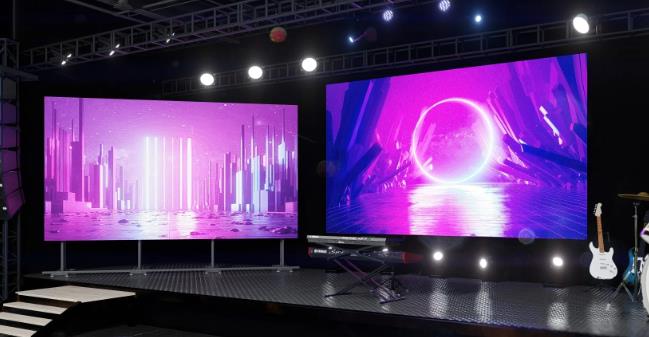
A rental LED display is a modular LED display designed for temporary installation and repeated use. Its cabinets are typically designed for quick assembly, easy transportation, and frequent installation and dismantling.
This design makes rental LED displays different from fixed LED displays. A fixed display is usually installed at one location for long-term operation. A rental display may be used at several venues over a relatively short period.
A typical rental LED display consists of multiple LED cabinets assembled into a larger screen. Depending on the project, the cabinets can be stacked on the ground, suspended from a structure, or arranged in curved and other creative configurations.
The right configuration depends on the event, viewing distance, venue, screen size, and installation conditions.
Although both systems use LED cabinets to create a large video display, their design priorities are different.
| Feature | Rental LED Display | Fixed LED Display |
| Main purpose | Temporary and repeated use | Long-term installation |
| Installation | Fast assembly and dismantling | Permanent installation |
| Cabinet design | Lightweight and portable | Designed around the installation site |
| Transportation | Designed for frequent transport | Usually transported less frequently |
| Configuration | Easy to reconfigure | Usually remains in one configuration |
| Maintenance | Quick access is important | Depends on the installation design |
| Typical applications | Events, concerts, exhibitions, sports | Retail, advertising, buildings, control rooms |
The difference is not simply whether a display is temporary or permanent. Rental displays need to withstand repeated handling while allowing production teams to set up and remove the screen within a limited time.
For this reason, cabinet design becomes one of the most important parts of a rental LED display.
A rental LED display needs to balance image performance with portability, durability, and installation efficiency. Several cabinet-level features are particularly important.
Rental screens may need to travel between venues. A lighter cabinet can make transportation and manual handling easier.
Cabinet weight also affects installation. When a large screen needs to be assembled quickly, reducing the weight of each cabinet can reduce the physical workload for the installation team.
However, lightweight does not simply mean using less material. The cabinet still needs enough structural strength for repeated handling and installation.
Rental LED cabinets commonly use quick-lock systems and positioning mechanisms. These features allow multiple cabinets to be connected quickly and help maintain alignment across the screen.
A good locking system should also remain secure during operation. Fast installation is useful, but connection stability is equally important.
Rental cabinets are repeatedly moved, installed, dismantled, and packed for transportation. The LED surface therefore faces more handling than a permanently installed display.
Protective structures around the cabinet and LED area can help reduce the risk of damage during transportation and installation.
For rental applications, mechanical protection is therefore part of overall display reliability.
Fast maintenance can be particularly valuable during live events.
Front maintenance allows technicians to access components from the front of the display. Rear maintenance can also be useful when the installation provides enough space behind the screen.
The appropriate maintenance method depends on the cabinet design and venue conditions.
Pixel pitch is one of the most important specifications when selecting an LED display. It describes the distance between the centers of two adjacent LED pixels.
A smaller pixel pitch generally provides higher pixel density. However, the smallest available pixel pitch is not automatically the right choice.
Viewing distance should be one of the first factors considered.
If the audience is close to the screen, a smaller pixel pitch can provide a smoother image and better detail. For a large outdoor screen viewed from a greater distance, a larger pixel pitch may provide an appropriate balance between image quality and system cost.
There is no single pixel pitch that works for every rental application.
Viewing distance is important, but content also matters.
A screen used mainly for large graphics and live performance images may have different requirements from one used for presentations, detailed text, or close-up product visuals.
When choosing pixel pitch, consider what viewers will actually see on the screen rather than looking at pixel pitch alone.
Camera use can change the requirements again.
Concerts, corporate events, broadcast productions, and other live applications may involve professional cameras. In these environments, image quality, refresh rate, color performance, and pixel structure can all affect the recorded image.
For camera-facing applications, pixel pitch should therefore be considered together with refresh rate and other display specifications.
A smaller pixel pitch usually increases pixel density and can increase system cost. It may also affect cabinet configuration, power consumption, and inventory requirements.
The goal is not to choose the smallest pixel pitch. The goal is to choose a pitch that matches the viewing distance, content, screen size, and project requirements.
Pixel pitch is only one part of the specification sheet. Other parameters can also affect how a rental LED display performs in a real event environment.
Brightness requirements depend heavily on the environment.
Indoor displays generally operate under controlled lighting conditions. Outdoor displays may need much higher brightness to remain visible under daylight.
A display should provide enough brightness for the application without treating maximum brightness as the only measure of image quality.
Refresh rate is particularly important for live events and camera-based applications.
A higher refresh rate can help reduce visible scanning or flicker issues when a display is captured by a camera. This makes it an important specification for concerts, broadcasts, corporate events, and other productions where the LED screen appears on camera.
A wide viewing angle helps maintain consistent image visibility for audiences watching from different positions.
This becomes more important for large venues where viewers may not sit directly in front of the screen.
Grayscale performance affects the display’s ability to reproduce subtle changes between dark and bright areas. Color consistency is also important when the screen displays skin tones, stage lighting, gradients, and other detailed visual content.
For professional events, these characteristics can be more meaningful than simply comparing maximum brightness.
Outdoor rental displays may need protection against water and dust. The appropriate IP rating depends on the installation environment and project requirements.
Weather protection should be considered together with the actual venue conditions rather than treated as a specification in isolation.
Power requirements can affect event planning, especially when multiple cabinets are combined into a large screen.
When planning a rental display, consider both maximum power and typical operating power. The power supply available at the venue should also be confirmed before installation.
The cabinet is the basic building block of a rental LED display. Its dimensions, weight, structure, and connection system influence transportation, installation, and screen configuration.
Common rental cabinet formats include 500 × 500 mm and 500 × 1000 mm designs. The exact dimensions vary by product and application.
Cabinet weight affects more than transportation.
It can influence:
For touring productions and events with tight setup schedules, cabinet weight can become an important practical factor.
Different cabinet dimensions can provide different configuration options.
For example, a combination of smaller and larger cabinets can help create screens with different aspect ratios while keeping transportation relatively efficient.
The cabinet design should therefore be evaluated together with the intended screen size and installation method.
Rental equipment is often transported in flight cases or other protective packaging.
Efficient packing can reduce transportation space and help protect cabinets during movement. For rental companies and touring productions, transportation efficiency can have a direct effect on operating costs.
Rental LED displays are commonly installed through ground stacking, rigging, or other temporary support structures.
Ground-stacked displays are assembled from the floor upward. This approach can work well for stages and other venues where a suitable base structure is available.
The supporting structure must be appropriate for the screen configuration and venue conditions.
A rental LED display can also be suspended above a stage or event area.
Rigging requires careful consideration of the cabinet weight, supporting structure, venue requirements, and applicable safety procedures. The installation should be planned and carried out by qualified professionals.
Some rental LED cabinets support curved configurations. This allows screens to follow stage structures or create more immersive visual layouts.
Curved configurations may be useful for concerts, exhibitions, immersive experiences, and other creative productions. The available curvature and configuration depend on the cabinet design.
Rental LED displays can serve many applications. However, the requirements are not the same for every event.
Indoor and outdoor environments create different technical requirements.
Indoor applications usually involve shorter viewing distances and controlled ambient lighting. Fine-pitch displays may therefore be suitable for many indoor events.
Outdoor applications often require higher brightness and stronger environmental protection. Viewing distances may also be longer, which can affect the appropriate pixel pitch.
The venue should therefore be considered before selecting the display specification.
Concerts and live performances often require large screens, fast installation, high refresh rates, and reliable operation.
Camera performance can also be important because LED screens are frequently captured by cameras during live productions.
Rental cabinets with curved or creative configurations can also help production teams create different stage layouts.
Corporate events and exhibitions may place audiences closer to the screen.
Presentations can also contain text, charts, product images, and other detailed content. In these cases, viewing distance and pixel pitch deserve particular attention.
The screen does not always need to be extremely large. Image clarity at the expected viewing distance may be more important.
Sports applications often involve large viewing distances and bright ambient conditions, especially for outdoor venues.
Screen size, brightness, viewing angle, and pixel pitch should be considered together. The display may also need to remain visible to audiences watching from a wide range of positions.
Choosing the right rental display starts with defining the event requirements rather than selecting a product first.
Start with basic information:
These details provide the foundation for the technical requirements.
Next, determine the approximate screen size and viewing distance.
Pixel pitch can then be selected according to the expected audience position, content, and camera requirements.
Determine whether the screen will be ground stacked, suspended, or installed in another configuration.
The venue may have specific restrictions on rigging, load, access, setup time, and power availability.
A rental quotation may include more than LED cabinets.
Depending on the project, you may also need:
Confirm what is included before comparing quotations.
A useful quotation should make the major costs clear.
Check the rental period, equipment, transportation, installation, dismantling, technical support, and any additional charges.
A lower equipment price does not necessarily mean a lower total project cost if other services are excluded.
There is no universal rental price for an LED display. The total cost depends on the equipment, project duration, venue, location, and services required.
The main cost factors include:
For this reason, a project-specific quotation is generally more useful than a universal price range.
When comparing quotations, check the complete service package rather than comparing the LED cabinet price alone.
Renting and purchasing serve different business and event needs.
Renting can be suitable for occasional events, one-time productions, or projects where the screen specification changes from one event to another. It also avoids the need to store and maintain the equipment between events.
Purchasing rental-grade LED equipment can be considered by companies that use LED displays frequently, such as rental companies and event production businesses.
The decision should take into account:
The right choice depends on the specific operating model rather than the initial equipment price alone.
Before confirming a rental LED display, it is useful to review the project from several angles.
A clear checklist can make it easier to compare different rental suppliers and avoid unexpected requirements later.
LEDs are important factors worth considering when evaluating a rental LED display.
Rental cabinets are repeatedly transported, assembled, dismantled, and handled at different venues. LEDs used in these cabinets therefore need to meet the requirements of repeated use while maintaining consistent visual performance.
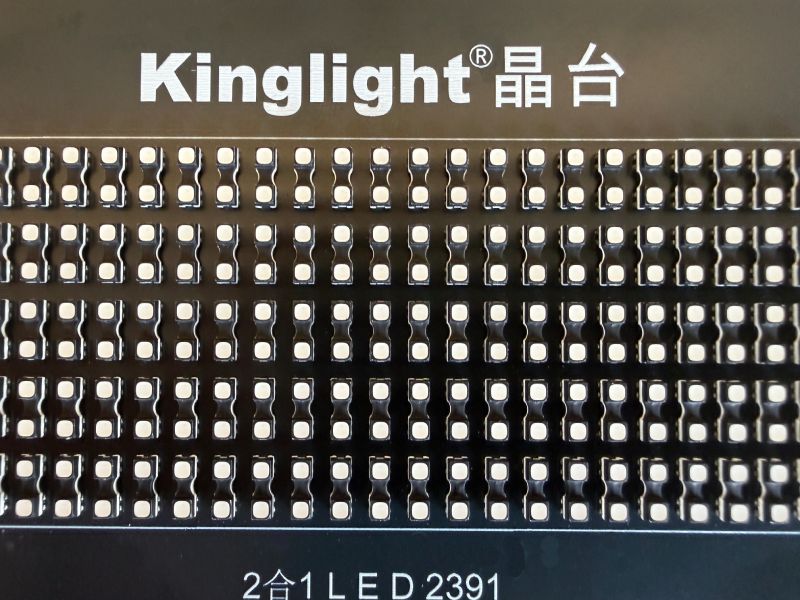
For example, Kinglight provides 2-in-1 and 4-in-1 LEDs with 8 or 10 pins for higher thrust resistance, which can withstand greater mechanical forces, improving LEDs’ resistance to impact during frequent transportation, installation, removal, and reinstallation.
For indoor rental applications, Kinglight has 2156, 2195, and 2260 2-in-1 LEDs respectively for P1.56, P1.95 and P2.6 displays, and 4195 4-in-1 LEDs for P1.95 displays.
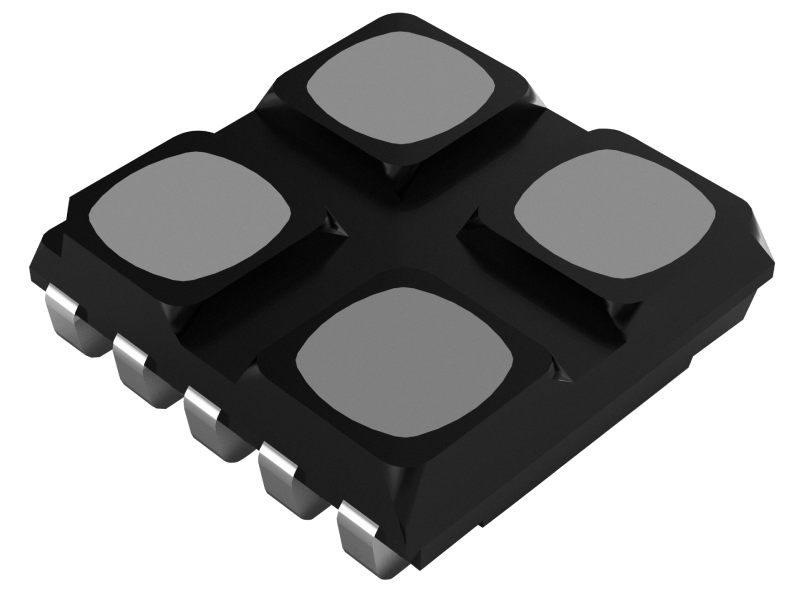
For outdoor rental applications, Kinglight has 2297 and 2391 2-in-1 LEDs respectively for P2.97 and P3.91 displays.
In addition, Kinglight also provides a wide variety of LEDs for rental display manufacturing.
If interested, read this product page:
https://en.kinglight.com/products_category/rental-display
A rental LED display is a modular LED display designed for temporary installation, frequent transportation, and repeated use. Its cabinets are typically designed for fast assembly and dismantling.
Rental LED displays are designed for mobility and repeated deployment. Fixed LED displays are generally designed for long-term installation at a specific location.
There is no single best pixel pitch. The appropriate choice depends mainly on viewing distance, content, screen size, camera requirements, and project budget.
Yes. Outdoor rental LED displays can be designed with higher brightness and appropriate environmental protection. The required specifications depend on the venue and operating conditions.
Common methods include ground stacking and rigging. Some rental cabinets also support curved or other creative configurations.
A high refresh rate is generally preferred for applications where cameras capture the LED screen, such as concerts, broadcasts, and corporate events. The exact requirement also depends on the camera system and production environment.
Rental cost depends on screen size, pixel pitch, rental duration, installation, transportation, technical support, and other project requirements. A project-specific quotation is therefore more useful than a universal price.
Renting can work well for occasional events and changing requirements. Purchasing may be considered by businesses that use LED displays frequently. The decision depends on equipment utilization, storage, maintenance, and long-term operating requirements.