


Artificial intelligence is becoming increasingly integrated into professional display applications, and LED technology is emerging as an important platform for delivering AI-powered visual experiences.
Against this backdrop, Absen is advancing its “AI+LED” strategy, bringing artificial intelligence into a wider range of LED display applications, including intelligent image processing, energy management, interactive experiences, virtual production and digital art.
The development highlights how a major LED display manufacturer is expanding the role of LED technology beyond conventional content playback.
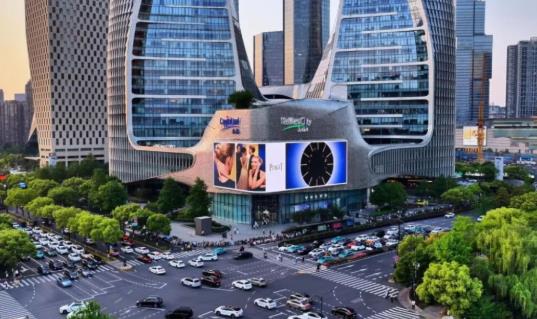
Absen’s latest AI+LED initiatives cover multiple aspects of the display experience.
According to the company, its approach combines AI capabilities with LED display hardware, software and content to create more intelligent and scenario-based applications.
One area is intelligent image processing. AI can be used to optimize visual performance and adapt display parameters to different content and operating conditions.
Energy management is another focus. Absen says its A25 outdoor LED display series uses intelligent power management to dynamically adjust energy consumption according to operating conditions and displayed content.
According to figures cited by the company, the A25 can maintain daily power consumption within 1 kWh/m², while its overall energy efficiency can improve by more than 50% compared with the industry average.
These developments show that AI is being applied not only to content creation, but also to the operation and management of LED displays.
Absen is also exploring how AI can change the way people interact with large-format displays.
Its iCon interactive all-in-one display series incorporates the Xiao Ai Assistant, which can support applications such as information queries, guided tours, meeting collaboration and question-and-answer services.
Other applications highlighted by Absen include AI virtual dressing rooms and digital human solutions for areas such as exhibitions, cultural tourism and commercial environments.
In these scenarios, the LED display is no longer simply a surface for presenting pre-produced content. It can become part of an interactive system in which users, AI services and visual content work together.
Virtual production is another area where Absen is applying its display technology alongside advanced digital technologies.
Absen has partnered with Bo-Cai Media to build what the company describes as the world’s largest single-body LED virtual production studio.
The facility combines LED displays with real-time rendering, lighting and shadow tracking, and color synchronization. This allows production teams to create and modify virtual environments directly on an LED stage.
The combination of LED walls and real-time digital production has already changed workflows in film, television, advertising and other forms of visual content production.
With AI entering content generation and production workflows, LED virtual production environments could support increasingly dynamic and flexible visual creation.
Another prominent example of Absen’s AI+LED strategy can be found in Los Angeles.
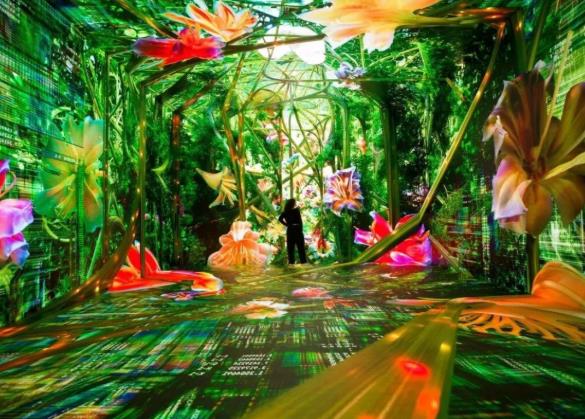
Dataland, described as the world’s first AI-themed art museum, uses large-format LED displays as an important part of its immersive visual environment.
The project combines AI-generated artwork with large-scale digital displays, creating an environment in which visitors can experience AI-generated visual content through immersive installations.
The application also demonstrates the flexibility required from LED technology in new types of digital spaces. Instead of serving as a conventional advertising or information display, LED technology becomes part of the architecture and the overall visitor experience.
This represents one of the more visible examples of how AI-generated content and LED display technology can be combined in an entertainment and cultural environment.
Absen’s latest initiatives cover a broad range of applications, from outdoor commercial displays and interactive all-in-one screens to virtual production and digital art.
While these applications are different, they share a common direction: AI is becoming increasingly connected with the way visual content is created, processed, delivered and experienced.
For the LED display industry, this means the role of the display is gradually expanding. LED screens can serve not only as large-format visual output devices, but also as part of interactive, immersive and intelligent digital environments.
Absen’s continued investment in AI+LED provides another indication that the combination of artificial intelligence and LED display technology is moving from a concept into real-world applications.
As AI continues to develop, the ways in which it can be combined with LED displays are likely to expand across entertainment, commercial spaces, virtual production, cultural venues and other professional display markets.

