


The global LED market is set to reach USD 12.176 billion in 2026, according to the latest report from TrendForce. Despite headwinds from weakening consumer electronics demand—partly driven by rising memory prices—the industry is entering a new growth phase powered by next-generation technologies and diversified application scenarios. From Micro and Mini LEDs to automotive, UV, and agricultural lighting, the LED ecosystem is evolving beyond traditional display and illumination markets.
While consumer electronics remain a foundational segment, 2026 will see the global LED market increasingly driven by high-value, application-specific innovations. Emerging technologies are not only improving performance metrics such as brightness, efficiency, and lifespan, but also unlocking entirely new use cases.
Key growth engines include:
These segments are collectively offsetting the slowdown in traditional demand and reinforcing the long-term resilience of the LED industry.
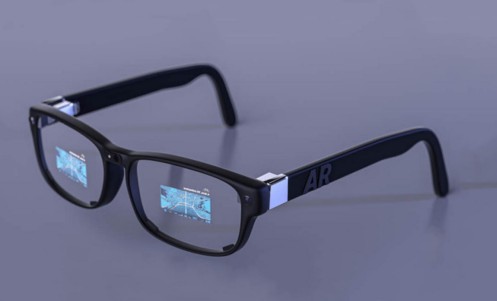
Micro LED technology is rapidly emerging as a game-changer in self-emitting display applications, particularly in AR glasses and AI-powered wearable devices. Between 2025 and 2026, major tech players—including Meta and Lenovo—are accelerating product launches in this space.
Thanks to superior brightness, contrast, and miniaturization capabilities, Micro LEDs are now outperforming competing display technologies in certain near-eye display applications. Notably:
This positions Micro LED as a critical long-term growth lever within the global LED market.
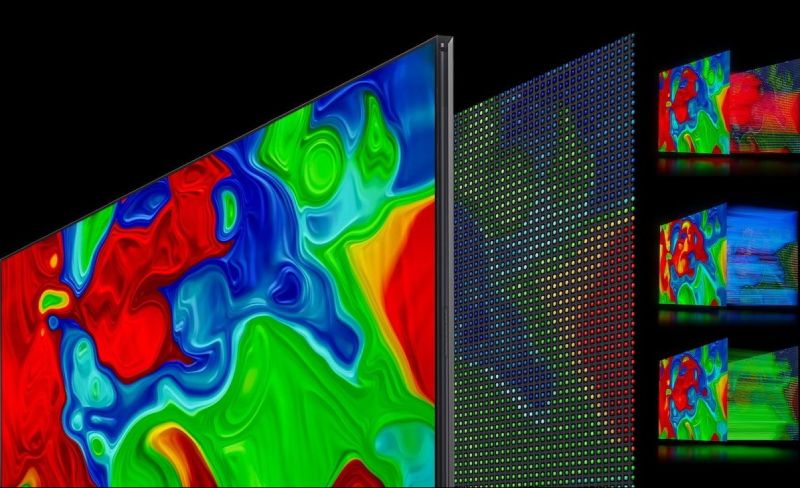
Mini LED technology continues to gain traction across both consumer and commercial display segments.
Leading brands such as Samsung, Sony, TCL, and Hisense are actively developing RGB Mini LED backlight TVs, with broader size portfolios and improved energy efficiency. The global Mini LED TV market is forecast to grow by nearly 40% in 2026.
In the professional display sector, Mini LED (COB) video walls are expanding into finer pixel pitches such as P1.25, P1.5, and P1.8. Industry leaders including Leyard, Unilumin, and Absen are scaling deployments globally.
Meanwhile, panel makers like BOE Technology Group and TCL CSOT are ramping up production capacity. As a result, the Mini LED video wall segment is expected to achieve ~20% growth in 2026.
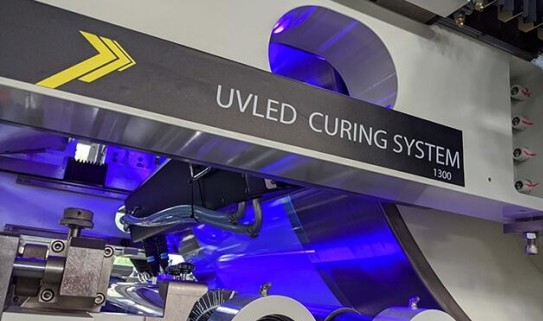
The UV LED segment continues to expand steadily, driven by:
Despite rising costs of raw materials and precious metals, demand remains resilient. The UV LED market is projected to reach USD 215 million in 2026, maintaining a CAGR of 10%+.
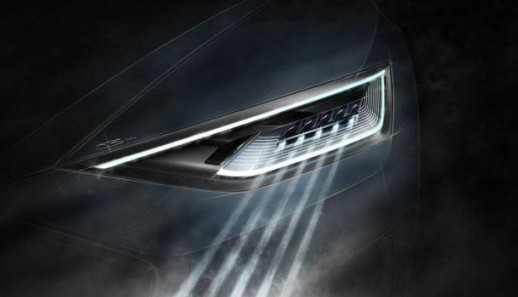
Although global automotive shipments are expected to slow in 2026, the automotive LED segment remains supported by advanced technology adoption.
Key innovations include:
These high-value applications are enabling the automotive LED market to sustain single-digit growth, even amid macroeconomic and policy-related pressures in key regions such as China and the United States.
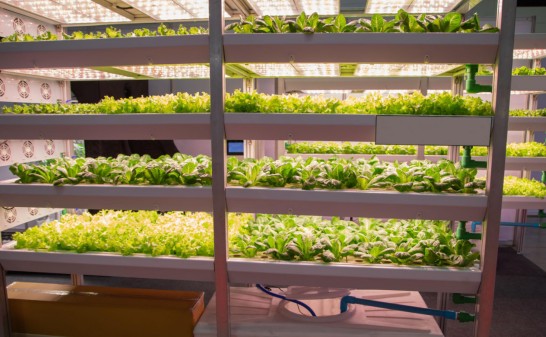
Agricultural lighting is becoming an increasingly important niche within the global LED market, driven by:
Technological advancements in multi-spectrum LED lighting are expected to accelerate adoption in 2026. Companies such as ams OSRAM are introducing next-generation solutions that balance performance with cost efficiency.
With shipment volumes rebounding and pricing stabilizing, the agricultural LED segment is projected to maintain steady single-digit growth.
The outlook for the global LED market in 2026 reflects a structural shift rather than cyclical recovery. While traditional consumer demand faces constraints, the industry is successfully pivoting toward technology-driven, high-margin applications.
Micro LED breakthroughs, Mini LED scaling, and the expansion of UV, automotive, and agricultural use cases are collectively redefining growth dynamics. As a result, the LED market is not only maintaining momentum but also building a more diversified and resilient foundation for the years ahead.
For stakeholders across the value chain—from chip suppliers to display manufacturers—this evolution presents both challenges and significant opportunities to capture value in the next phase of industry development.

