


In modern retail, attracting customers is no longer just about products—it’s about experience. As physical stores compete with e-commerce, brands are increasingly investing in custom LED displays to create immersive, high-impact environments that drive engagement and sales.
From flagship stores to shopping malls, customized LED solutions allow retailers to transform their spaces into dynamic digital experiences. This guide explores how to design effective custom LED displays specifically for retail environments.
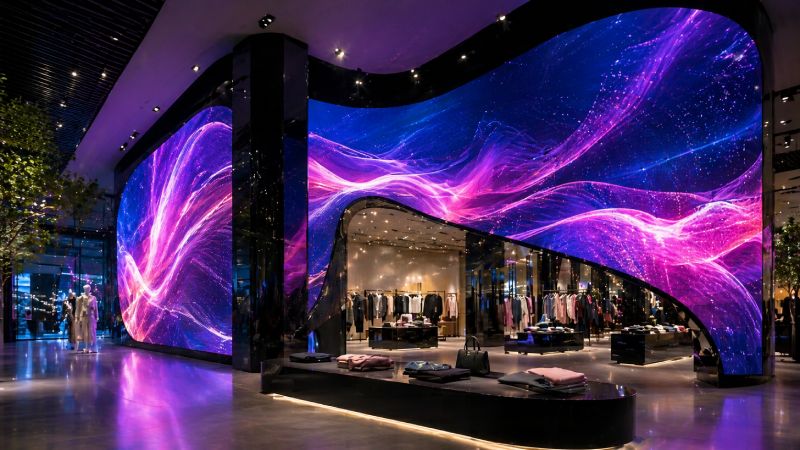
Before diving into design strategies, it’s important to understand why customization plays a critical role in retail success.
Unlike standard displays, custom LED solutions can be tailored to match store layouts, branding, and customer flow. This enables retailers to:
In retail, where first impressions are everything, visual impact directly influences purchasing behavior.
Designing a custom LED display for retail requires balancing aesthetics, functionality, and technical performance.
The physical layout of the store determines optimal screen placement and size. Displays near entrances require high brightness and visibility, while interior screens focus more on detail and storytelling.
Pixel pitch should be chosen based on viewing distance:
In retail environments, improper pixel pitch selection can lead to either unnecessary cost or poor visual clarity.
Retail spaces benefit greatly from creative LED designs, such as:
The goal is seamless integration with the store architecture, not just adding a screen.
Lighting conditions in retail environments vary significantly. High brightness ensures visibility, while accurate color reproduction is essential for product presentation—especially in fashion and luxury retail.
Even the best display fails without compelling content. Retail LED displays should support:
Content should be optimized for the display’s resolution and shape.
Understanding common use cases can help guide design decisions.
Installed in windows or façades, these displays attract foot traffic and communicate brand identity instantly.
Large-scale walls inside stores create a strong visual centerpiece and enhance the shopping atmosphere.
Wrapping LED displays around structural elements turns ordinary architecture into engaging media surfaces.
Touch-enabled or sensor-based displays increase customer engagement and provide personalized experiences.
In retail applications, visual consistency is critical—customers are often viewing displays at close range.
High-quality LED pixels ensure:
In custom designs, especially those with irregular shapes, even small inconsistencies in LED performance become more noticeable. This makes the choice of LED components a decisive factor in overall display quality.
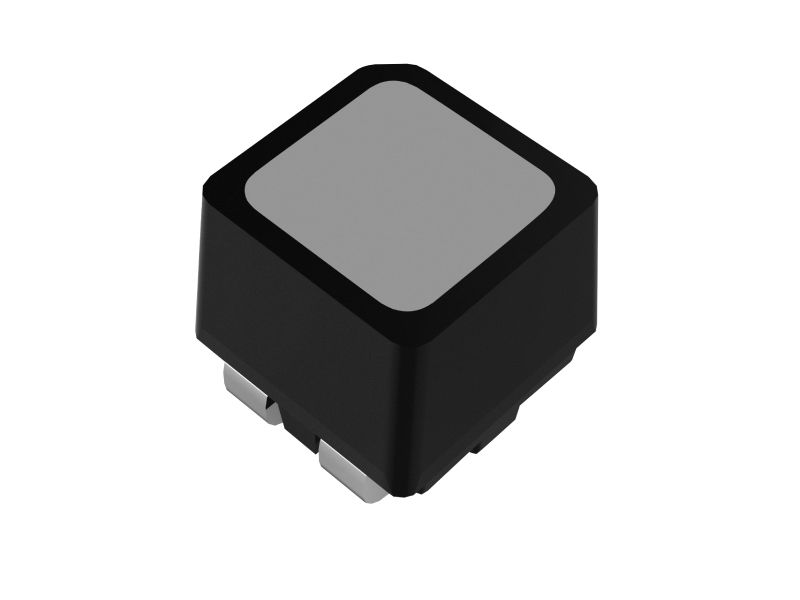
Budget planning is a key part of any retail display project.
The main cost drivers include:
While custom LED displays require higher initial investment, they often deliver stronger ROI through increased customer engagement and brand differentiation.
Even well-funded retail projects can fail without proper planning. Here are common pitfalls:
Avoiding these mistakes can significantly improve project outcomes.
A successful retail LED project depends on collaboration with the right supplier.
Key evaluation factors include:
In particular, suppliers with strong control over LED pixel quality can provide more consistent and reliable results.
Custom LED displays are transforming retail spaces into immersive, experience-driven environments. As competition intensifies, brands that invest in creative and high-quality display solutions gain a significant advantage.By carefully considering design, technology, and component quality, retailers can create impactful visual experiences that not only attract customers but also drive long-term brand value.

