


As LED displays continue to dominate digital signage, broadcast studios, sports venues, and outdoor advertising, long-term reliability has become a decisive factor for project success.
While most buyers focus on brightness, resolution, and initial cost, many overlook one critical element: LED lifespan. In real-world installations, premature brightness decay, color shift, and pixel failure often appear within just a few years of operation, significantly affecting visual quality and maintenance budgets.
Understanding how LED lifespan works in display applications is essential for system integrators, distributors, and end users who aim to build high-performance screens with lasting value.
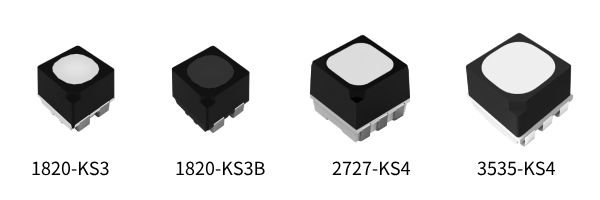
LED lifespan does not simply describe when a device stops functioning. Instead, it reflects how long an LED can maintain stable optical and electrical performance under continuous operation.
In the display industry, lifespan is commonly measured using indicators such as:
For most commercial display projects, L70 is considered the practical end of service life.
Unlike general lighting products, SMD LEDs used in display systems operate under high current density, high-frequency PWM control, and extended daily operation. These demanding conditions make LED lifespan a core indicator of long-term reliability.
Many lifespan-related problems originate from hidden technical and environmental factors.
Excessive junction temperature accelerates material degradation, phosphor aging, and luminous decay. Poor thermal management remains one of the leading causes of premature LED failure.
Effective heat control depends on:
Even small temperature increases can significantly shorten operating life.
High brightness is essential for outdoor and semi-outdoor displays, but it comes at a cost.
Operating LEDs under high drive current and long duty cycles increases luminous output while accelerating aging processes. Continuous full-load operation shortens LED lifespan and reduces brightness stability over time.
Balanced electrical design and intelligent brightness management are key to long-term performance.
The internal structure of an SMD LED determines its resistance to environmental and electrical stress.
High-quality packaging typically includes:
Inferior materials may lead to yellowing, moisture ingress, and corrosion, resulting in rapid degradation.
Real-world display installations face diverse environmental challenges.
Common stress sources include:
These factors accelerate aging and directly impact LED lifespan, especially in outdoor and transportation environments.
Uniform aging behavior across large panels depends on consistent manufacturing quality.
Strict control over:
helps reduce performance variations and improves long-term stability.
LED lifespan directly influences both visual quality and economic returns.
Uneven aging causes localized dark areas and patchy images, reducing viewing comfort and brand impact.
Different degradation rates among RGB chips lead to color shift, making long-term calibration more difficult.
Shorter lifespan increases:
Over time, this significantly raises the total cost of ownership (TCO).
Choosing the right LEDs requires more than comparing datasheets.
Before making a decision, consider asking suppliers:
✅ Can you provide verified L70/L80 lifetime data?
✅ How is thermal resistance controlled at package level?
✅ What aging and reliability tests are performed?
✅ How stable is batch-to-batch consistency?
✅ Do you have long-term field installation references?
Suppliers who can answer these questions transparently are more likely to deliver reliable products.
Component quality alone is not sufficient. System design plays an equally important role.
Automatic brightness adjustment reduces unnecessary electrical and thermal stress.
Proper airflow lowers internal temperature and improves heat dissipation.
High-quality power supplies and voltage regulation prevent electrical overload.
Routine calibration maintains uniformity and slows visible degradation.
Leading LED manufacturers invest heavily in lifespan optimization throughout the entire production process.
This includes:
Premium LED solutions developed under strict quality standards deliver more stable brightness, better color consistency, and extended LED lifespan.
For example, Kinglight emphasizes thermal optimization, material reliability, and long-term aging verification in SMD LEDs. By focusing on durability rather than short-term output. These principles help screen manufactures build displays that remain visually consistent over years of operation.
LED lifespan is not merely a technical parameter—it is a fundamental driver of display reliability, visual performance, and project profitability.
By understanding the factors that influence aging behavior, applying systematic evaluation methods, and selecting high-quality LED components, display professionals can significantly improve long-term outcomes.For integrators and end users alike, investing in reliable LED technology today is the most effective way to ensure consistent performance and sustainable value throughout the entire lifecycle of a display system.

