Top 10 Frequently Asked Questions About LED Screens
Optronics Industry | 2026-06-24
LED screens have become the go-to digital signage solution for corporate meeting rooms, outdoor billboards, retail storefronts, live events, XR studios and commercial facades worldwide. However, new buyers, event contractors and installers always face confusing questions about selection, maintenance, cost and troubleshooting. We’ve sorted out the 10 most searched LED screen FAQs to solve all your core doubts.
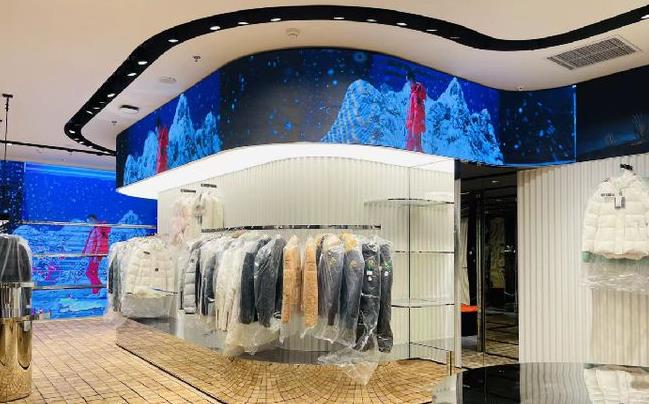
LED displays inside a costume retail store
1. What is pixel pitch on an LED display?
Pixel pitch is the core standard to judge LED screen clarity, which refers to the distance between two adjacent LED pixels, measured in millimeters (P1.2, P2.5, P6, P10 etc.). Smaller pixel pitch delivers higher resolution and clearer images at close viewing distances. As a simple rule:
Indoor small-pitch screens (P1.2–P2.5): For conference rooms, exhibition halls and XR studios (viewing distance ≥2m)
Medium pitch (P3–P4): Hotel lobbies, retail indoor advertising
Large pitch (P6–P10): Outdoor roadside billboards, stadium screens (viewing distance ≥6m) When purchasing, always match pixel pitch to your minimum audience viewing distance to avoid blurry visuals.
2. What refresh rate is best for live event LED screens?
For live concerts, wedding stages, broadcast events and live streaming, high refresh rate is non-negotiable.
60Hz: Basic fixed indoor signage, static text display only
120Hz: General small events, indoor conference playback
3840Hz ultra-high refresh: The top choice for live events, filming and virtual production. It eliminates camera flicker, guarantees smooth video and clear livestream footage without black scan lines. If you plan to shoot video or broadcast live on stage, skip low-refresh panels and pick 3840Hz LED screens.
3. How do I choose the right LED screen size for an outdoor event?
Three key factors decide your outdoor event LED screen size: expected audience capacity, average viewing distance and venue layout.
Calculate the farthest viewing distance: The screen height should be at least 1/10 of the maximum viewing distance for clear visibility.
Venue space limits: Stage width, roof load-bearing and transport cabinet sizes restrict maximum screen dimensions.
Content type: For live sports scores or close-up performer shots, use a larger screen with smaller pixel pitch. For small outdoor pop-up events, 3m×5m rental LED walls work well; large music festivals usually adopt 8m×12m or bigger combined LED video walls.
4. What are the most common issues with LED screens and how can they be fixed?
Here are the most frequent LED screen faults and quick fixes:
Dead pixels: Single dark spots caused by broken lamp beads. Replace the faulty LED module directly.
Partial color difference: Uneven brightness after long use. Run professional point-by-point calibration.
Flickering screens: Low refresh rate or unstable power supply. Upgrade power adapters or switch to high-refresh cabinets.
Black screen: Loose signal cables, damaged control card or power failure. Reconnect wiring and inspect the sending/receiving card.
Water stains on outdoor panels: Poor IP waterproof rating. Clean surface moisture and upgrade waterproof modules for long-term outdoor use.
5. Common problems with large format LED screens and solutions
Large-format LED walls (over 20㎡) face unique structural and display problems:
Splicing gaps & uneven flatness: Caused by uncalibrated cabinet locks. Adjust cabinet fasteners and perform overall flatness correction during installation.
Overheating: Dense modules lead to heat buildup. Add built-in cooling fans and reserve ventilation space behind the screen.
Signal delay across multi-cabinet walls: Outdated control system. Use synchronous sending cards for large combined screens.
Outdoor LED screens accumulate dust, bird droppings and rain stains, but improper cleaning scratches lamp beads and damages waterproof layers. Follow safe steps:
Cut off all power supply before cleaning to avoid short circuits.
Use soft microfiber cloth + neutral water-based cleaner; never alcohol, corrosive detergent or high-pressure water guns.
Wipe gently horizontally; do not rub hard against LED lamp surfaces.
For stubborn dirt, lightly dampen the cloth instead of spraying liquid directly on panels.
Clean on dry, cool mornings; avoid midday high temperature or rainy weather.
7. Factors affect the cost of an indoor LED screen
Indoor LED screen pricing is not only based on square meters; these factors drive total costs:
Pixel pitch: Smaller pitches like P1.2 COB cost far more than P2.5 SMD panels.
Technology type: COB small-pitch screens carry higher material costs than traditional SMD.
Installation style: Floor stand, wall mount, curved frame or suspended ceiling all add different engineering fees.
Supporting accessories: High-end control systems, backup power supplies and custom structural frames increase expenses.
After-sales service: Longer warranty periods and overseas technical support push up overall quotes.
Customization: Irregular curved, spherical or ultra-narrow border LED walls require customized moulds and raise budgets.
8. What are the top-rated LED screen models for indoor advertising?
For retail windows, mall advertising, lobby digital signage and store menu displays, these high-performance types rank top globally:
COB small-pitch LED walls: For luxury brand flagship stores and high-end exhibition halls, scratch-resistant and high contrast.
Transparent LED screens: Ideal for glass shop windows, high light transmittance without blocking natural daylight.
Slim strip LED displays: For supermarket price tags, fast-food digital menu boards, lightweight and low power consumption.
Flexible soft LED panels: Curved indoor decorative advertising walls for creative mall installations. All top indoor advertising models feature low brightness decay, anti-collision lamp beads and silent heat dissipation.
9. Where can I find installation service for large LED displays?
Global buyers have three reliable channels to source professional LED screen installation:
Direct LED manufacturers: Most Chinese LED display factories provide global engineering guidance, CAD structure drawings and remote technical training for local installers.
Local AV engineering companies: Regional audio-visual contractors with experience in billboard and stage screen assembly, suitable for full turnkey projects.
Global LED after-sales service partners: Authorized regional service teams offering on-site assembly, calibration and post-installation maintenance for large commercial projects. For cross-border orders, confirm installation drawings and remote video support with your supplier before shipment.
10. Which companies offer the best customer support for LED screen products?
Suppliers with premium customer support share these core advantages:
Full export compliance support: CE, FCC, RoHS, ETL certification documents and clear customs filing guidance.
Multi-language after-sales teams: 24/7 online technical support via video call for fault troubleshooting.
Spare parts supply chain: Global warehouse stock of modules, power supplies and control cards for fast replacement.
Long-term warranty terms: Separate multi-year warranties for lamp beads, power systems and control hardware. Prioritize manufacturers with dedicated overseas project departments if you run frequent large-scale LED screen projects.
Whether you’re an event rental company, retail brand manager, corporate procurement officer or AV installer, these 10 FAQs cover nearly all critical pain points of LED screen selection, installation, maintenance and cost control. If you have more personalized questions about your indoor or outdoor LED project, reach out to our technical team for free customized solutions.