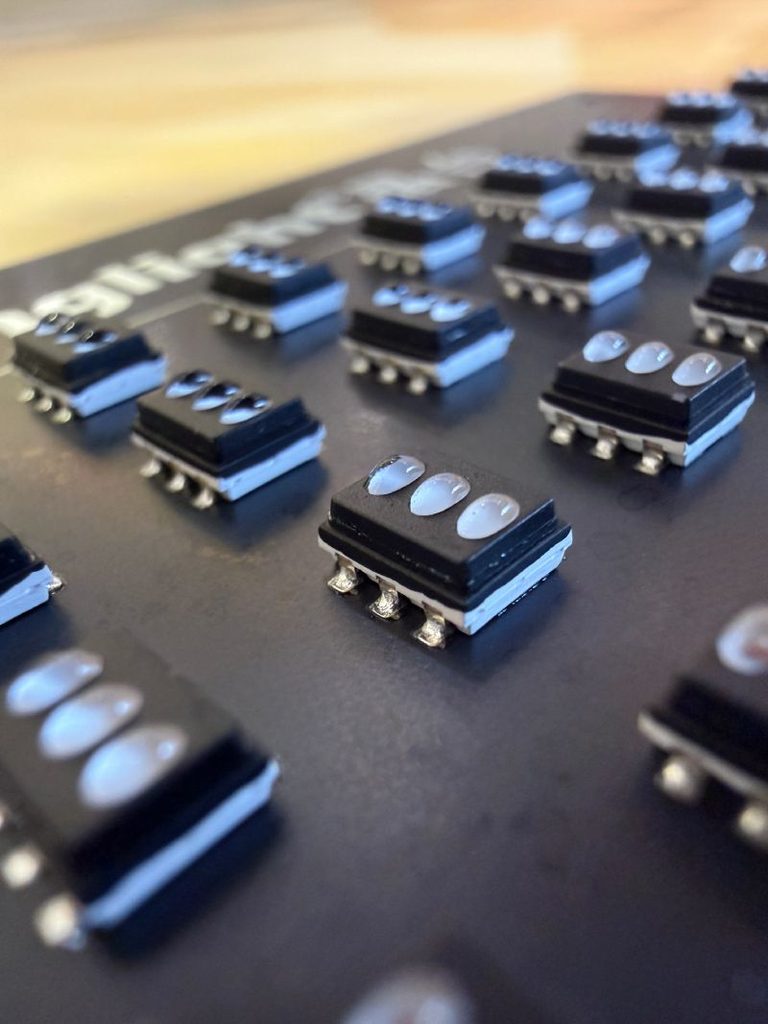
The initial cost of an LED display is important, but it should never come at the expense of long-term reliability. One of the most overlooked factors affecting the stability of an LED display is the quality of its LEDs.
To reduce project costs, some buyers may choose low-quality LED products based primarily on their lower price. However, the apparent savings at the purchasing stage can eventually turn into higher maintenance costs, more frequent failures, and even project downtime.
This is the real risk of low-quality LED: what looks like a lower initial investment may result in a much higher total cost over the lifetime of an LED display.
For an LED display that needs to operate reliably for years, cost optimization should not simply mean choosing the lowest-priced components. Instead, the focus should be on achieving the right balance between initial investment, product reliability, maintenance requirements, and long-term operating costs.
So, where do the risks of low-quality LED come from?
In this article, we examine five key aspects that can affect LED reliability and, consequently, the long-term performance of an LED display: the lead frame, encapsulation material, phosphor, lead-frame plating, and wire bonding and die bonding.
Heat generation is unavoidable when an LED display operates, especially when the display is exposed to high temperatures for extended periods in an outdoor environment. Excessive heat is also one of the major factors contributing to LED display failures.
One of the primary sources of heat is the junction temperature generated by the LED chip during continuous operation. The lead frame provides a critical thermal path for transferring heat away from the chip.
High-quality LEDs typically use pure copper lead frames, which offer excellent thermal conductivity. When combined with flip-chip eutectic bonding, they can provide efficient heat dissipation and low thermal resistance.
To reduce costs, however, some low-quality LED products use copper-plated iron lead frames instead. Their thermal conductivity is significantly lower than that of pure copper lead frames.
This difference may not be visible to the naked eye, but it can become a reliability concern during prolonged operation. Higher junction temperatures can accelerate LED degradation and shorten service life.
The original source notes that, according to commonly cited LED reliability principles, a 10°C increase in junction temperature can significantly accelerate light degradation and reduce LED lifetime. It also reports that LED displays using LEDs with copper-plated iron lead frames may experience more than 20% brightness degradation after one year of operation in high-temperature outdoor environments, along with an increased risk of irreversible large-scale LED failures.
For outdoor LED displays, therefore, thermal performance should be considered an important part of LED quality rather than simply a technical detail.
The encapsulation material provides the outer protection for the LED chip and plays an important role in weather resistance and long-term optical stability.
High-quality LEDs typically use highly transparent, aging-resistant silicone. This provides good light transmittance while helping the LED maintain stable optical performance over time.
Low-quality LED products may use inferior silicone, recycled encapsulation materials, or epoxy resin to reduce manufacturing costs. While these materials can lower the initial product cost, they may provide poorer sealing and optical performance.
Outdoor LED displays are exposed to repeated temperature changes and challenging environmental conditions. Over time, inferior encapsulation materials may crack or delaminate.
Once the protective layer is compromised, moisture and corrosive gases can penetrate the LED, potentially causing electrode corrosion or short circuits. In severe cases, this can lead to large-scale LED failures on an outdoor display.
For this reason, encapsulation material is not simply an internal manufacturing detail. It can directly affect the long-term reliability of the LED display.
Color consistency is another important consideration when evaluating LED quality.
When an LED display develops noticeable color differences, color blocks, or inconsistent image reproduction after prolonged operation, phosphor degradation and color shift can be contributing factors.
High-quality LEDs use highly stable phosphor materials and maintain tight color tolerances. This helps minimize color changes during long-term operation and allows the display to maintain a more consistent appearance.
Low-quality LED products may use lower-purity or recycled phosphor materials and apply less stringent sorting standards. Under prolonged high-temperature operation, these phosphors can degrade more rapidly.
As a result, LEDs that initially appear consistent may gradually develop noticeable differences in color performance.
For an LED display, this can create a particularly difficult maintenance problem. Once color inconsistency becomes significant, simply repairing individual failed LEDs may not be enough. Large-scale LED replacement may be required to restore visual consistency, increasing both maintenance costs and downtime.
This is another example of why the lowest initial LED cost does not necessarily translate into the lowest overall project cost.
LED displays installed in coastal regions or industrial areas may face a higher risk of corrosion. In such environments, the plating applied to the lead frame plays an important role in protecting the LED against corrosion and sulfurization.
High-quality LEDs generally use multiple protective plating layers designed to provide better corrosion and sulfurization resistance. Their reliability can also be evaluated through stringent salt-spray testing.
To reduce costs, low-quality LED products may significantly reduce plating thickness or replace higher-quality plating materials with cheaper alternatives.
In corrosive environments, inadequate plating protection can increase the risk of sulfurization and blackening after prolonged exposure. As the LED becomes blackened, its brightness can decrease significantly.
The consequences can be particularly costly for large outdoor LED displays installed at height. Dismantling, accessing, and servicing these displays can be difficult, which means even a relatively localized LED problem can result in substantial labor and maintenance costs.
Therefore, the corrosion resistance of an LED should be evaluated according to the actual operating environment rather than based solely on its initial purchase price.
Wire bonding and die bonding are critical to the internal electrical and structural reliability of an LED.
High-quality LEDs use reliable bonding wire materials and high-thermal-conductivity die-bonding processes. These help the LED withstand repeated temperature changes while maintaining structural stability.
Low-quality LED products may instead use ordinary bonding wires, inferior die-bonding materials, or less rigorous process control.
During long-term operation, repeated thermal expansion and contraction can create mechanical stress inside the LED. Over time, this stress may cause problems such as wire detachment or cracking of the die-bonding layer.
One of the challenges is that these problems may not appear immediately after installation. The LED display may operate normally for a considerable period before failures begin to emerge.
Eventually, however, concentrated dead LEDs, flickering, or other reliability problems may occur. When such failures affect a large number of LEDs, troubleshooting and repair can become difficult and costly.
This delayed failure pattern is one of the reasons why the risks of low-quality LED should be considered from a lifecycle perspective rather than simply by looking at initial purchase costs.
The five aspects discussed above show that reducing LED costs by compromising materials or manufacturing processes can create hidden risks for the long-term operation of an LED display.
Choosing low-quality LED may reduce the initial investment, but the savings can quickly be offset by brightness degradation, color shift, corrosion, dead LEDs, flickering, replacement costs, and additional maintenance.
For LED display projects, genuine cost optimization should therefore be based on lifecycle value, not simply on the lowest purchase price.
The quality of the LED is one of the fundamental factors affecting display reliability. Avoiding unnecessary compromises in critical materials and manufacturing processes can help reduce failure rates, minimize maintenance requirements, and lower the risk of costly downtime.
Ultimately, the lowest initial cost is not necessarily the lowest total cost.
When selecting LEDs for an LED display project, buyers should look beyond the initial quotation and consider the long-term benefits of reliability, stability, maintainability, and consistent performance. This approach can help achieve a better balance between investment and operating costs—and deliver greater value throughout the entire lifecycle of the LED display.