


Many LED display manufacturers claim that their products can last 100,000 hours. This number appears in brochures, product pages, and quotations. However, many buyers misunderstand what it actually means.
Does 100,000 hours mean an LED screen will work perfectly for over 11 years? Not exactly.
To understand the real lifespan of an LED display, you first need to understand the LED screen lifespan L70 standard. This industry benchmark explains how LED lifetime is measured and why brightness matters more than whether the screen still turns on.
This article explains the L70 standard in simple terms. It also shows the factors that affect LED screen lifespan and how to maximize it.
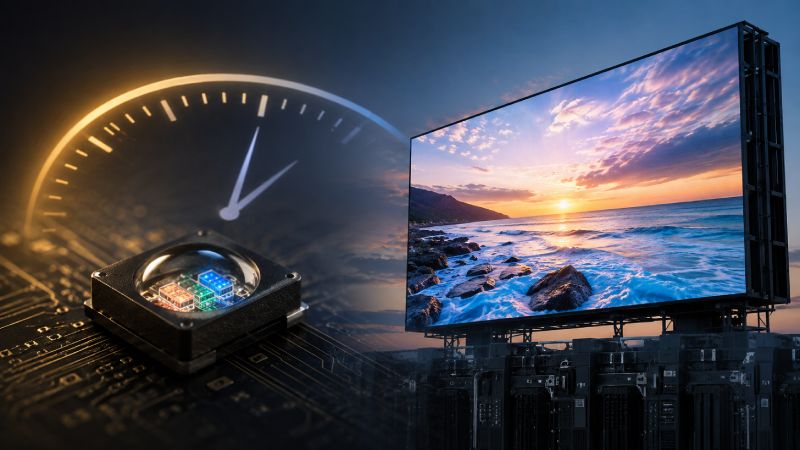
The LED screen lifespan L70 standard defines the point when an LED light source maintains 70% of its original brightness.
For example:
The LED still works. It simply becomes dimmer than its original performance.
This is why the L70 standard is widely used throughout the LED industry. Brightness gradually decreases during normal operation. It rarely drops to zero overnight.
Unlike traditional light bulbs, LEDs usually do not stop working suddenly.
Instead, they experience gradual lumen depreciation.
The image quality slowly changes over time because brightness decreases. Colors may also become less consistent.
For commercial LED displays, image quality is more important than whether every LED still lights up.
This is why manufacturers use the LED screen lifespan L70 standard instead of complete failure.
When an LED reaches L70, the display can still operate. However, it may no longer meet the required brightness for demanding applications.
The short answer is no.
The LED screen lifespan L70 standard mainly refers to the LED package itself under specified operating conditions.
A complete LED display contains many other components, including:
These components have different service lives.
In many cases, power supplies or electronic components require maintenance before the LEDs reach their L70 lifetime.
As a result, the usable life of an LED display depends on the entire system rather than the LEDs alone.
Several factors influence how quickly LEDs lose brightness.
High-quality LEDs use better materials and stricter manufacturing processes.
They usually offer:
Poor-quality LEDs often age faster.
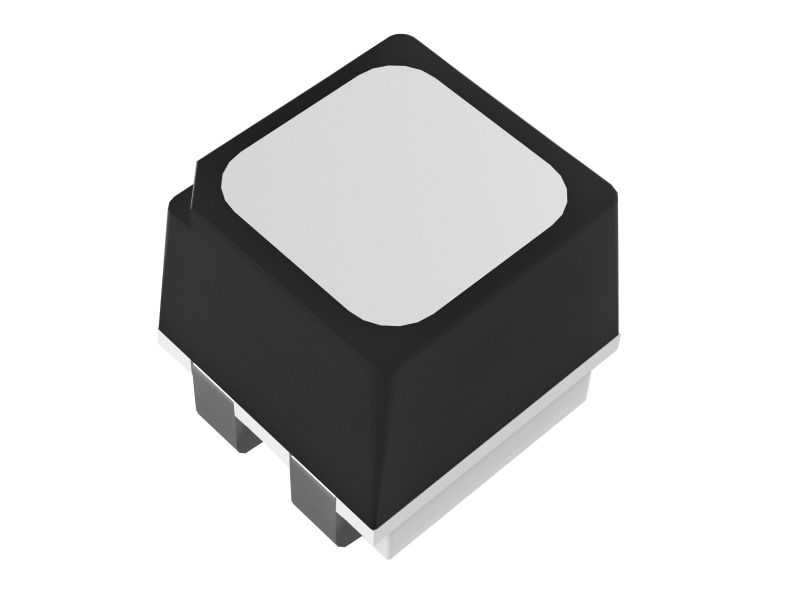
Heat is one of the biggest factors affecting LED lifetime.
High temperatures accelerate lumen depreciation.
Good thermal management helps LEDs maintain brightness for much longer.
Proper ventilation and efficient heat dissipation are therefore essential.
Higher current increases brightness.
However, excessive current also creates more heat and speeds up LED aging.
Many professional LED displays balance brightness and lifetime by selecting an appropriate driving current.
Outdoor LED displays face more challenging conditions.
These include:
These environmental factors can accelerate corrosion, reduce component reliability, and shorten the overall lifespan of an LED display.
Usage time also matters.
A display operating 24 hours every day will reach its L70 lifetime much sooner than one used only during business hours.
Longer daily operation means faster accumulated aging.
Many people calculate 100,000 hours as more than 11 years.
That calculation assumes the display operates continuously.
In reality, many commercial LED displays run fewer hours each day.
Here are some examples:
| Daily Use | Approximate Years |
| 24 hours | 11.4 years |
| 16 hours | 17.1 years |
| 12 hours | 22.8 years |
| 8 hours | 34.2 years |
These numbers are theoretical.
Actual service life depends on maintenance, environment, operating temperature, and component reliability.
Several simple practices can help maximize LED lifetime.
Reliable LED packages provide better stability over many years.
They also reduce brightness degradation.
Keep ventilation openings clean.
Avoid excessive heat inside the cabinet.
Good thermal design significantly improves lifespan.
Running at full brightness continuously increases heat.
Use automatic brightness adjustment whenever possible.
This reduces stress on the LEDs.
Routine inspections help identify problems before they become serious.
Cleaning dust and replacing aging power supplies can also extend overall display life.
Stable power reduces electrical stress.
This helps protect both LEDs and electronic components.
The LED screen lifespan L70 standard measures brightness maintenance.
It does not guarantee that every component will operate for 100,000 hours.
When evaluating an LED display, buyers should also consider:
Looking at the complete system provides a much better estimate of long-term performance.
No.
L70 means brightness has decreased to 70% of the original value. The LED still works.
Generally, yes.
However, actual display reliability also depends on electronic components, cooling, and maintenance.
Yes.
Many displays continue operating well beyond their L70 lifetime. They simply produce lower brightness.
No.
The LED screen lifespan L70 standard is important, but it should never be the only purchasing criterion.
The LED screen lifespan L70 standard helps buyers understand what a 100,000-hour lifetime really represents.
It is not a promise that every component will last for more than a decade. Instead, it indicates when LED brightness drops to 70% of its initial level.
A long-lasting LED display depends on much more than the LEDs themselves. Product quality, thermal management, power stability, maintenance, and operating conditions all play important roles.
When comparing LED displays, understanding the LED screen lifespan L70 standard allows you to make more informed purchasing decisions and set realistic expectations for long-term performance.

