


As custom LED displays continue to evolve beyond traditional flat video walls, the demands placed on display performance are becoming significantly higher. Today’s projects increasingly feature curved structures, irregular shapes, immersive retail environments, and large-scale architectural integrations. In these advanced visual applications, even small inconsistencies can become highly visible. While many people focus on cabinets, control systems, or installation methods, the quality of the LEDs themselves often determines whether a custom display ultimately looks premium—or problematic.
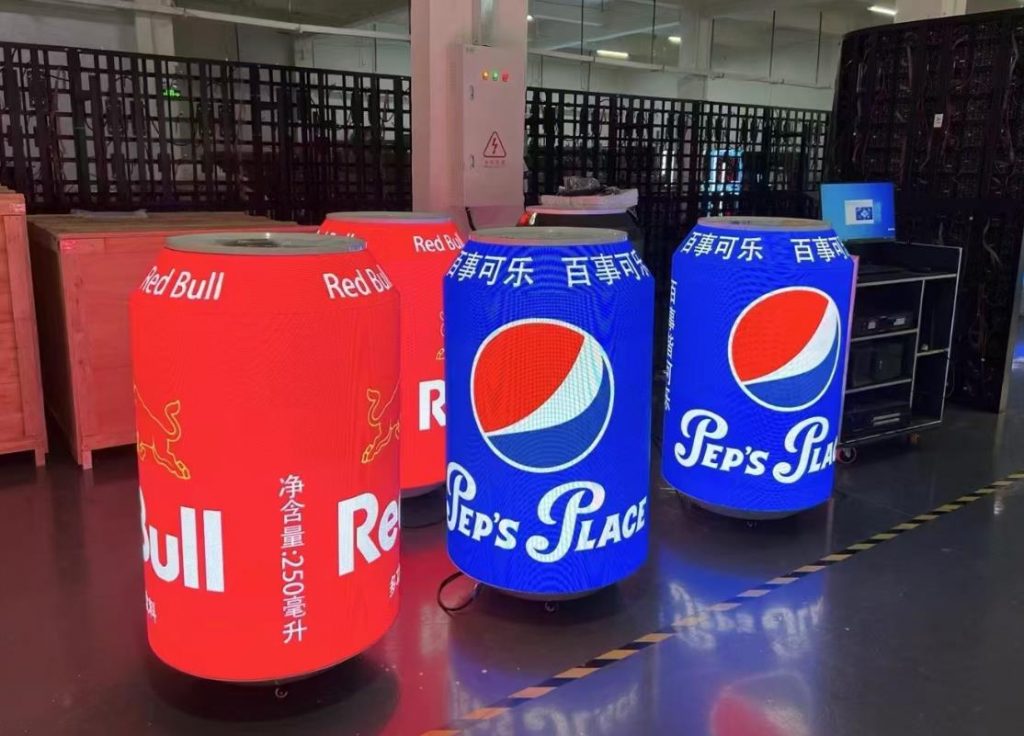
At the most fundamental level, every LED display is built upon millions of individual LED pixels. Every image, color transition, contrast detail, and brightness level originates from these tiny light-emitting components. No matter how advanced the display structure may be, poor LED consistency can still compromise the final visual result. This is especially true in custom LED displays, where unconventional designs place even greater pressure on display uniformity and reliability.
As creative LED applications become more sophisticated, the importance of LED quality becomes increasingly difficult to ignore. Standard rectangular displays can sometimes conceal minor inconsistencies, but custom configurations tend to amplify them. A curved LED wall, for example, introduces more complex viewing angles, making brightness and color consistency much more critical across the entire surface. Likewise, irregular-shaped displays often require customized module arrangements, where even slight variations between LEDs may become immediately noticeable.
The challenge becomes even greater in environments where viewers are positioned close to the screen. Retail spaces, immersive showrooms, virtual production studios, and luxury brand installations all demand exceptional image precision. In these scenarios, dead pixels, uneven brightness, or color shifts are far more visible than they would be on a large outdoor billboard viewed from a distance. As pixel pitches continue to shrink, maintaining high LED consistency becomes one of the defining factors behind display quality.
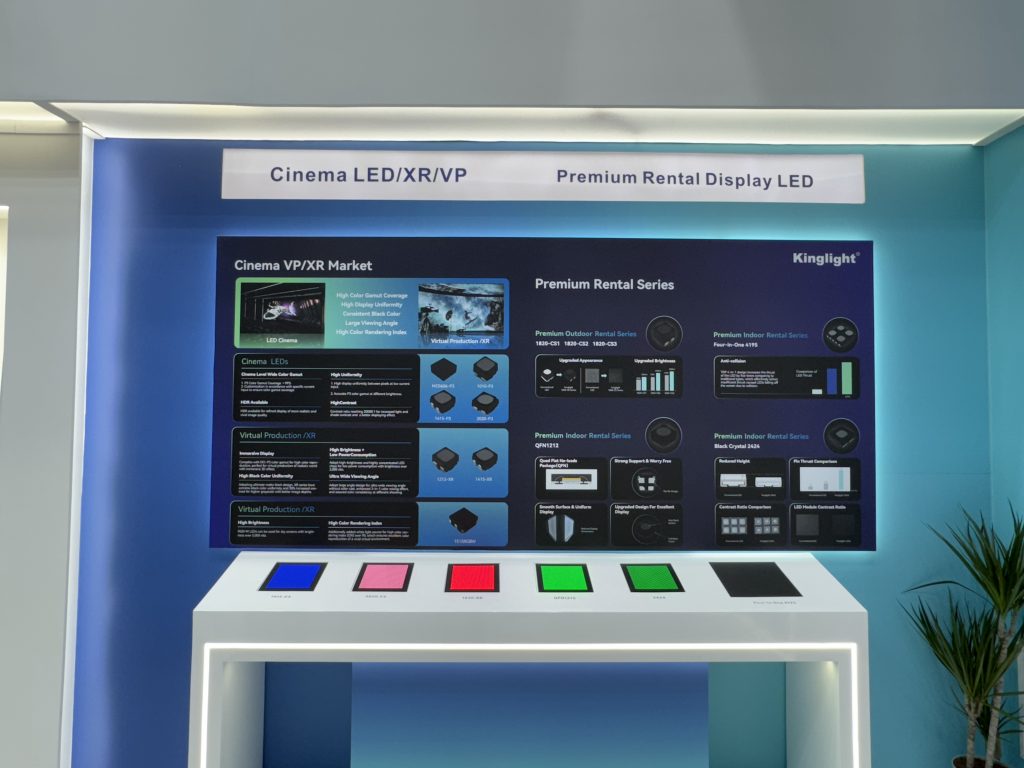
To understand why this matters so much, it is important to look at the key characteristics that define LED quality in the first place. Among them, brightness consistency is one of the most critical. If individual LEDs produce slightly different brightness levels, the screen may appear uneven, particularly when displaying grayscale or low-brightness content. On a custom LED display with curved or artistic structures, such inconsistencies become even more apparent because the human eye naturally follows the shape and contour of the installation.
Closely related to brightness is color uniformity. High-end LED displays require LEDs with tightly controlled wavelength consistency and precise binning processes to ensure smooth color reproduction across the entire screen. Without this level of control, viewers may notice subtle color shifts between modules, particularly in white or dark scenes. In premium retail and broadcast applications, these variations can significantly reduce perceived display quality.
Reliability is another major factor that directly affects custom LED projects. Unlike temporary rental screens, many custom LED installations are designed for long-term operation in commercial environments. Frequent pixel failures not only impact visual appearance but also increase maintenance complexity, especially in custom structures where access may be more difficult than on standard flat displays. For this reason, high-reliability LEDs are essential for reducing long-term operational risks.
Beyond brightness and color, black surface consistency has also become increasingly important in modern LED display design. When an LED screen is turned off or displaying dark content, inconsistencies in surface appearance can affect the premium feel of the installation. This is particularly important in luxury retail environments and high-end architectural projects, where the display must integrate seamlessly into the surrounding space even when inactive.
As discussions around LED quality continue to grow, packaging technologies have also become an important topic within the industry. Different packaging approaches offer different strengths depending on the application requirements. SMD LEDs remain widely used due to their mature manufacturing ecosystem, strong viewing angles, and versatility across many display types. Importantly, modern SMD technologies are also capable of supporting ultra-fine pixel pitch applications, including micro-pitch LED displays.
At the same time, COB technology has gained attention for its enhanced surface protection, improved durability, and high contrast performance. Because the LEDs are directly integrated into the board surface, COB displays often provide better resistance against physical impact and environmental contamination. However, the choice between SMD and COB should not be oversimplified. In many custom LED display projects, the optimal solution depends on the specific application, viewing conditions, maintenance requirements, and visual goals.
When LED quality is insufficient, a wide range of display problems can emerge over time. One common issue is the mura effect, where uneven brightness or color creates blotchy visual artifacts across the screen. Inconsistent LEDs may also lead to visible module boundaries, reducing the seamless appearance expected from premium displays. Over longer periods of operation, poor-quality LEDs are more likely to experience color degradation, brightness decay, or early pixel failure, all of which negatively impact the display’s lifespan and visual performance.
These risks become particularly significant in retail and creative display environments, where visual aesthetics are directly tied to brand perception. In luxury retail stores, for example, LED displays are often positioned as central design elements rather than simple information screens. Consumers may not consciously analyze display quality, but they immediately notice when an image feels uneven, dull, or visually inconsistent. In immersive spaces designed to create emotional impact, display imperfections can quickly break the intended experience.
Because of this, evaluating LED quality should be an essential part of any custom LED display project. Buyers should pay attention not only to screen specifications, but also to the quality control processes behind the LEDs themselves. Factors such as binning consistency, reliability testing, brightness calibration, and manufacturing stability all play a major role in determining long-term display performance. A visually impressive prototype may not necessarily guarantee stable performance over years of operation if the underlying LED quality is inconsistent.
As the custom LED display market continues moving toward more creative, immersive, and fine-pitch applications, the role of LED quality will only become more important. Advanced display structures can enhance visual impact, but they also expose every weakness in pixel consistency and reliability. Ultimately, the performance ceiling of many custom LED displays is not defined by the cabinet or the processor, but by the quality of the LEDs that power every single pixel.

