


In modern cities, LED displays have become a powerful visual communication tool. From outdoor billboards and retail signage to stadium scoreboards and transportation hubs, these digital screens deliver vibrant visuals that attract attention and convey information effectively. However, after years of continuous operation, many display owners begin to notice a common issue: LED display brightness degradation.
When the brightness of an LED screen declines significantly, the display loses its visual impact. Content becomes less vivid, visibility decreases in bright environments, and the effectiveness of advertising or public messaging can suffer. Understanding why brightness degradation occurs—and how to manage it through proper maintenance—is essential for maintaining long-term display performance.
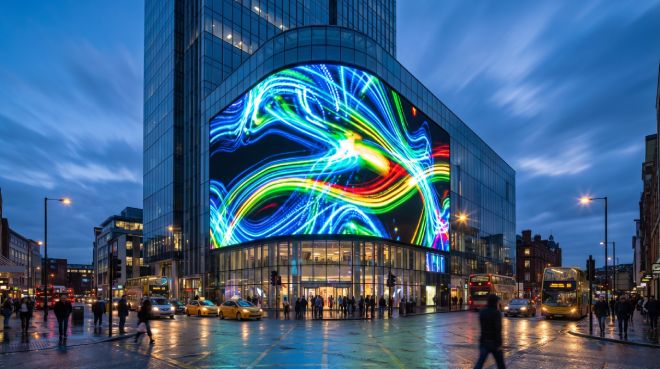
Brightness degradation is a natural phenomenon in LED displays as they accumulate operating hours. Over time, the components responsible for light emission gradually lose efficiency, which leads to reduced overall brightness. In some cases, particularly with lower-quality displays or poorly maintained systems, brightness levels may decline dramatically within only a few years of operation.
For businesses that rely on digital signage or advertising screens, this reduction in brightness can have real consequences. A dim display struggles to stand out in bright environments such as busy streets or shopping districts. As a result, audience attention decreases and the return on investment for the display may decline.
To manage this issue effectively, it is important to understand the main technical factors that contribute to brightness loss.
To effectively address LED display brightness degradation, it is important to understand the technical factors behind it. In most cases, brightness loss does not occur because of a single problem. Instead, it results from a combination of component aging, thermal stress, and electrical instability. By identifying these underlying causes, operators can take targeted steps to slow the degradation process and maintain stable display performance.
The LED chip inside each pixel package is the core component responsible for generating light. As the display operates over time, the semiconductor materials inside the chip gradually deteriorate due to continuous electrical and thermal stress.
This aging process reduces the chip’s luminous efficiency, meaning the LED produces less light under the same operating current. High ambient temperatures can accelerate this process, which is why LED displays operating in hot environments may experience faster brightness decline.
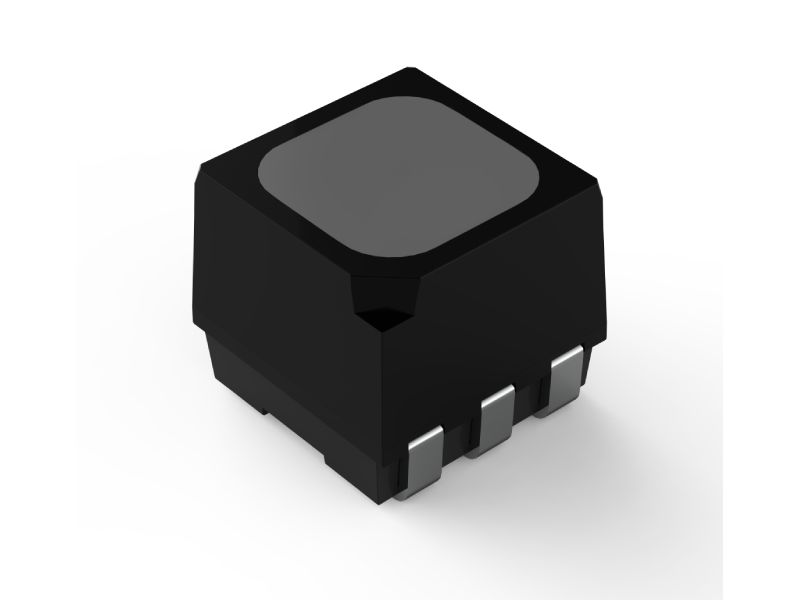
Thermal management plays a crucial role in the long-term reliability of LED displays. During operation, LED modules generate heat, and if this heat cannot be effectively dissipated, internal temperatures rise.
Excessive heat accelerates the aging of LED components and packaging materials, leading to reduced brightness and shortened lifespan. Outdoor LED displays are particularly susceptible to this issue, especially during hot seasons or when ventilation is insufficient.
LED displays rely on a stable electrical current to maintain consistent brightness and color performance. When the power supply fluctuates—due to voltage instability or irregular current flow—LED components experience additional electrical stress.
Over time, unstable power conditions can lead to uneven brightness, flickering, and faster degradation of LED components across the display.
Although brightness degradation cannot be completely avoided, proper maintenance can significantly slow the process and even improve the perceived brightness of the display.
Dust, pollution, and other environmental contaminants often accumulate on the surface of LED displays. These particles block light transmission and make the screen appear dimmer than it actually is.
Regular cleaning helps restore clarity and brightness.
Recommended cleaning practices include:
Removing surface dust can noticeably improve visual clarity and overall brightness perception.
Maintaining effective cooling conditions is essential for slowing LED component aging and preserving brightness levels.
Maintenance measures may include:
For outdoor LED screens, installing shading structures or optimizing installation environments can further reduce heat buildup.
Power stability is critical for maintaining consistent LED brightness and protecting electronic components.
Key steps include:
A stable electrical supply reduces stress on LED components and helps maintain uniform brightness across the entire display.
LED display brightness degradation is an inevitable part of long-term operation, but it does not have to significantly impact display performance. By understanding the main causes—LED chip aging, inefficient heat dissipation, and unstable power supply—operators can take proactive steps to protect their equipment.
Simple maintenance practices such as regular cleaning, improved cooling, and stable power management can extend the lifespan of LED displays and help restore much of their original visual performance.
For businesses and organizations that rely on LED displays for communication, proper maintenance ensures that screens remain bright, vibrant, and effective for years to come.

