


Samsung IBF Indoor LED was released by Samsung Electronics America in late May 2026. The product focuses on digital transformation for retail stores, quick-service restaurants and small live venues.
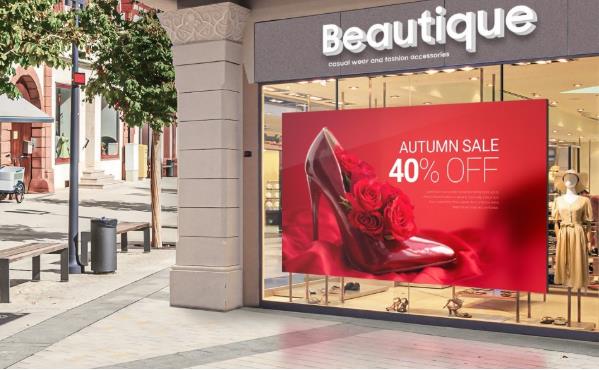
In 2026, more American consumers make planned consumption. Many physical shops ditch static paper posters for digital displays. IBF Indoor LED solves two mainstream pain points: screen fading under sunlight and complicated installation. (Product source: Samsung official May 28 release)
Samsung IBF Indoor LED delivers up to 3,500 nits of peak brightness. It keeps images clear even under strong direct sunlight.
Most regular indoor LED products only hit 1800–2500 nits. They often turn dim beside sunlit shop windows.
This LED series also uses simplified rear panels with no messy exposed cables. Neat front and rear appearance matches modern open-space interior design.
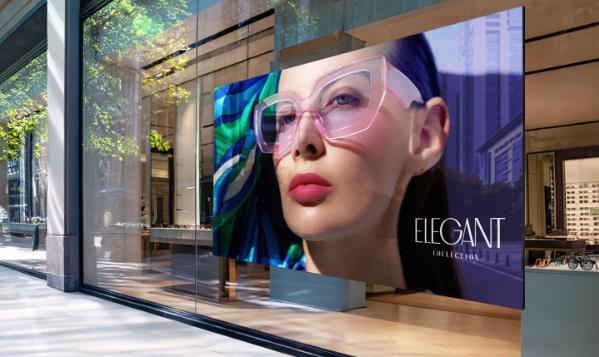
Lightweight construction is a major highlight of IBF Indoor LED. Its two cabinet specs weigh 24.3 lbs and 7.8 lbs respectively, with a slim 1.7-inch thickness.
The built-in FlexFit structure supports landscape and portrait setup. Users can build flat, L-shaped, concave or convex layouts with original matching accessories.
One single installer can complete the whole mounting work. It greatly lowers labor spending for store renovation projects.
IBF Indoor LED adopts GoB coating technology. The protective layer guards modules against bump damage, water splashes and electric hazards, perfect for busy restaurant storefronts.
All units connect to Samsung’s cloud-powered VXT signage platform. Merchants edit ad content and adjust device settings remotely. No advanced technical knowledge is required for daily operation.
This cloud function brings obvious management convenience for multi-location chain operators.
✅ Best choice: Front-facing fast-food outlets, fashion boutiques and small live venues with sunny shop windows. IBF Indoor LED helps these brands boost roadside exposure.
❌ Poor match: Fully enclosed indoor booths without natural sunlight. Buying Samsung IBF Indoor LED will lead to redundant budget costs.
All in all, Samsung IBF Indoor LED targets the existing defects of traditional window LED screens. Priced at mid-to-high tier, it fits standardized chain store upgrades well. Higher brand cost restricts its popularity among independent small retailers.
Industry trends indicate Samsung may launch budget-friendly IBF variants later to capture entry-level market share.

