


On October 21, the 21st National LED Display Industry Development and Technology Seminar was held in Shenzhen, China. The event brought together researchers, industry experts, and business representatives to discuss industry trends, technological advances, and emerging applications in LED display technology.
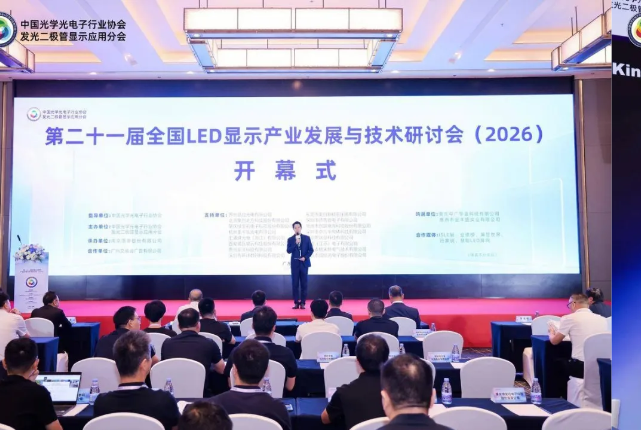
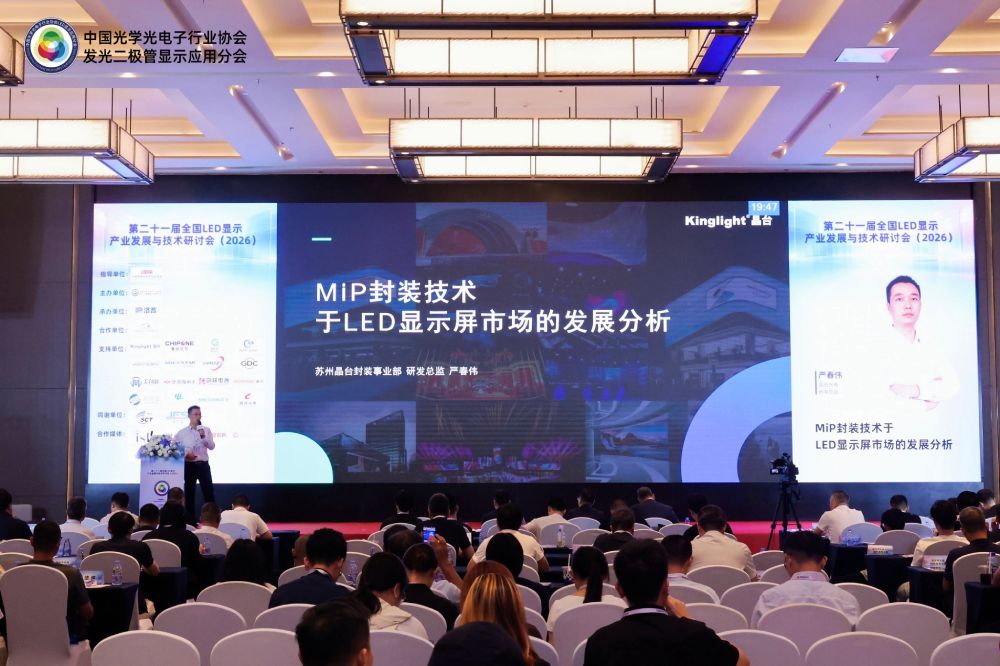
Kinglight was invited to attend the seminar. Yan Chunwei, R&D Director of Kinglight’s LED Packaging Division, delivered a presentation titled MiP Packaging Technology in the LED Display Market. He discussed the development of MiP technology, its technical advantages, and its potential applications in fine-pitch LED displays.
LED display technology continues to evolve toward smaller LED packages and finer pixel pitches. From traditional LAMP and TOP packages to CHIP, IMD, and COB technologies, advances in packaging have helped improve display resolution and expand application possibilities.
Fine-pitch LED displays are gaining momentum as the industry seeks higher pixel density and more detailed images.
Industry data shows that China’s fine-pitch LED display market recorded a compound annual growth rate (CAGR) of 40.5% from 2021 to 2026.
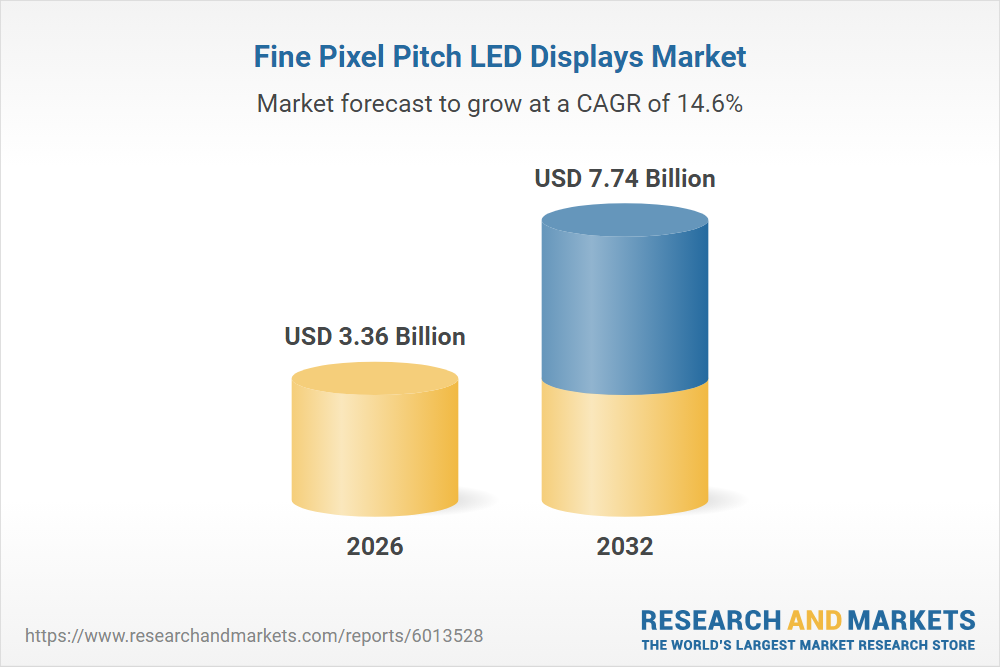
Research and Markets also forecasts continued growth in the global fine-pitch LED display market. Its estimates put the market at US$2.98 billion in 2025 and US$3.36 billion in 2026. The market is projected to reach US$7.74 billion by 2032, representing a CAGR of 14.57%. Research and Markets.
As pixel pitches become smaller, each packaging technology faces different manufacturing challenges.
LED display manufacturers must balance pixel density, production yield, manufacturing costs, and long-term reliability. Against this backdrop, MiP has emerged as another packaging option for fine-pitch LED displays.
MiP stands for Micro LED in Package. It is a packaging approach in which Micro LED or Mini LED chips undergo chip-level packaging before being integrated into downstream display assemblies.
One key advantage of MiP is its ability to combine small LED chips with a package design that provides larger soldering pads. This can reduce the precision requirements for downstream substrates and help improve manufacturing yield.
The approach supports high pixel density while addressing some of the production challenges associated with increasingly small LED components.
MiP technology covers pixel pitches ranging from P0.3 to P1.9. This range supports a variety of fine-pitch display applications.
Other potential advantages include:
As the technology matures and production scales up, MiP could help extend fine-pitch LED displays beyond high-end professional installations. Commercial displays, all-in-one meeting systems, and other applications may provide further opportunities for adoption.
MiP is not the only route to fine-pitch LED displays. Its value lies in offering manufacturers another technical option to evaluate alongside other packaging approaches, according to their product requirements and production capabilities.
At the seminar, Kinglight showcased its MiP LED products for indoor, outdoor, and transparent display applications.
We continue to optimize package designs and manufacturing processes to address the practical needs of LED display manufacturers. These include display uniformity, black-level consistency, production-line compatibility, cost control, and operational reliability.
Our MiP LED portfolio includes products designed for different brightness requirements and application environments.
MC0606 features a compact package measuring 0.65 × 0.65 mm. Displays using this product can achieve a brightness of up to 2,000 nits and a contrast ratio of 100,000:1.
The product also supports a wide color gamut exceeding 99% of DCI-P3.
These characteristics make MC0606 suitable for demanding indoor applications, including LED cinema screens, XR and virtual production studios, command and control rooms, high-end conference rooms, premium commercial displays, and all-in-one display systems.
MC1010-M2 and MC1010-M3 feature a package size of 1.0 × 1.0 mm. Displays using these products can achieve brightness levels of up to 4,000 nits and 6,000 nits, respectively, with a contrast ratio of 200,000:1.
Their combination of high brightness, contrast, and reliability makes them suitable for outdoor fine-pitch displays, premium digital signage, and rental LED display applications where clear images and dependable performance are essential.
ID0909 adopts a flip-chip design. Displays using this product can achieve brightness of up to 3,500 nits and a transparency rate exceeding 94%.
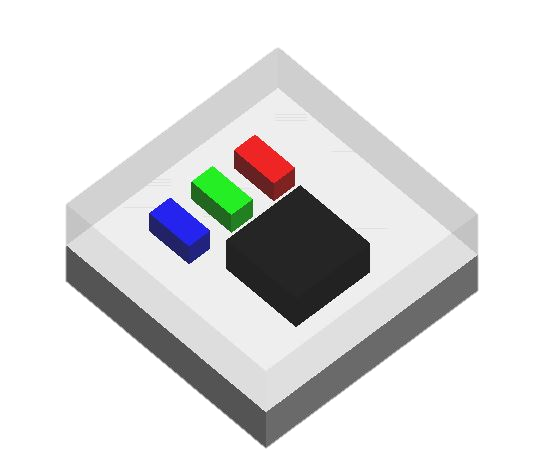
The product also incorporates reliability features such as signal recovery, left-right signal transmission, and soldering defect detection.
These characteristics make ID0909 suitable for transparent LED film displays, holographic LED displays, and glass-based transparent displays. It helps display manufacturers balance image clarity and brightness with the transparency required for architectural and commercial installations.
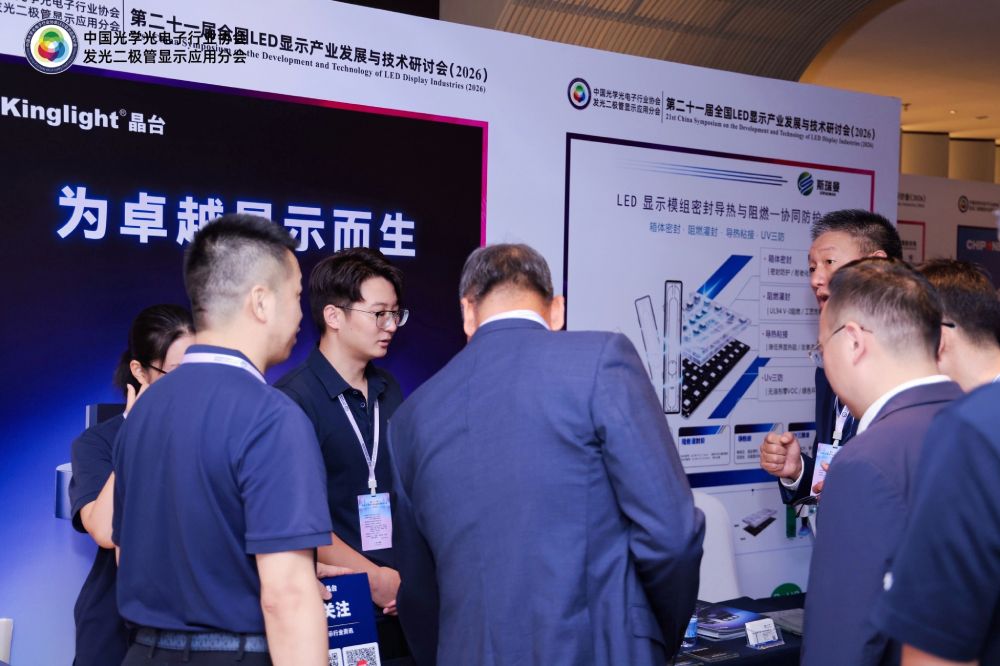
At the seminar, Kinglight’s sales team also introduced our full-color LED products to industry participants and exchanged views on product requirements and application needs.
The LED display industry continues to move toward higher resolution, smaller pixel pitches, and more specialized applications. As these demands grow, packaging technologies will play an important role in determining display performance, manufacturing efficiency, and product cost.
Our participation in the 21st National LED Display Industry Development and Technology Seminar provided an opportunity to share our insights into MiP technology and exchange ideas with industry peers.
At Kinglight, we continue to advance LED packaging design and product development to help LED display manufacturers meet the evolving requirements of fine-pitch displays. Through our MiP portfolio, we aim to support a wider range of applications with LED components designed for different performance and manufacturing needs.
Kinglight – Professional Manufacturer of RGB LEDs
For inquiries about our LED products, please contact sales@kinglight.com.

