


Installing a large LED display in an older commercial building is not always as simple as choosing the right screen. The building itself can become part of the challenge.
Metrocentre in Gateshead, UK, offers a good example. The shopping centre opened in 1986 and has now added six digital banner screens as part of an upgrade led by ADI. The project highlights how lighter LED technology can create new possibilities for digital signage in existing buildings.
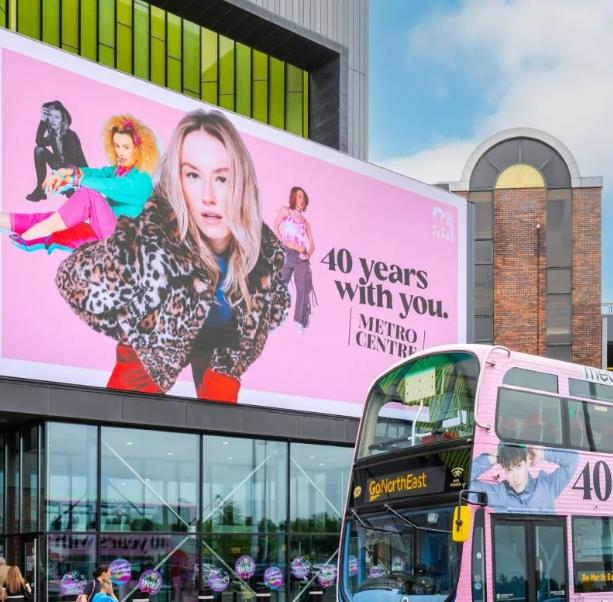
Metrocentre is one of the UK’s major shopping destinations. After opening in 1986, the centre has continued to evolve as retail and consumer expectations have changed.
Digital signage is now an important part of this environment. Large LED displays can promote brands, deliver advertising and provide more dynamic visual experiences for visitors.
However, installing modern LED displays in an older building can present practical challenges.
The building was not originally designed around today’s large-format digital signage systems. Weight, installation space and supporting structures can all affect where an LED display can be installed.
This makes the physical design of the LED system an important part of a retrofit project.
For the Metrocentre project, ADI selected its MT LED series for six digital banner screens.
According to ADI, the panels are around 50% lighter and slimmer than its previous product. The reduced weight allows digital platforms to be incorporated into locations where a heavier LED system could create greater structural or installation requirements.
This is an important consideration for existing commercial buildings.
A lighter LED system can make installation easier. It can also reduce the demands placed on supporting structures. In some retrofit projects, this may open up locations that would otherwise require more extensive structural work.
The benefit therefore goes beyond transportation or handling.
For architects, integrators and venue operators, the weight of an LED display can influence the feasibility of the entire project.
The Metrocentre project includes six digital banner screens installed across the shopping centre.
The displays are designed to support both the venue’s own communications and commercial advertising. This gives the shopping centre more opportunities to communicate with visitors while also creating additional digital advertising inventory.
That combination is becoming increasingly important in retail environments.
Large-format LED displays are no longer used only to show promotional content. They can become part of a wider digital signage network and provide new opportunities for brands to reach audiences inside high-traffic commercial spaces.
For shopping centres, the value of such displays can therefore extend beyond visual impact.
They can also become part of the venue’s wider commercial and media strategy.
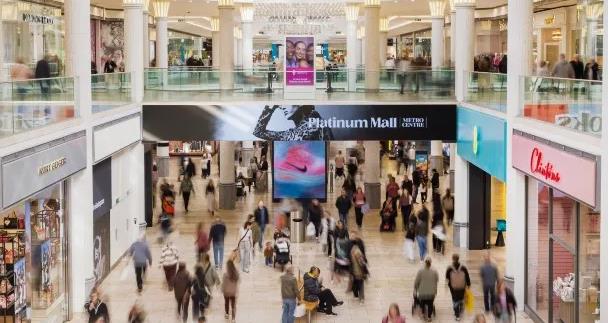
The Metrocentre installation points to a broader opportunity for LED display technology.
Many commercial spaces were built long before today’s large-format LED systems became common. Shopping centres, transport hubs, stadiums and other public venues may all need to introduce new digital displays without completely redesigning their existing structures.
In these situations, a lighter and slimmer LED system can offer greater flexibility.
The technology does not necessarily require the building to be redesigned around the display. Instead, the display can be adapted more easily to the existing environment.
This can be particularly useful for digital signage projects where installation conditions are more restrictive than those in a newly built venue.
The Metrocentre project also shows how LED displays are becoming part of the wider digital out-of-home advertising ecosystem.
A strategically positioned LED screen can serve the venue while also providing advertising space for external brands. This creates a connection between digital signage, retail media and DOOH advertising.
As more shopping centres and public venues look for ways to generate additional value from their physical spaces, this type of digital infrastructure could become increasingly relevant.
The challenge is not simply how to install a larger screen.
It is how to introduce digital displays into existing spaces without making the installation unnecessarily complex.
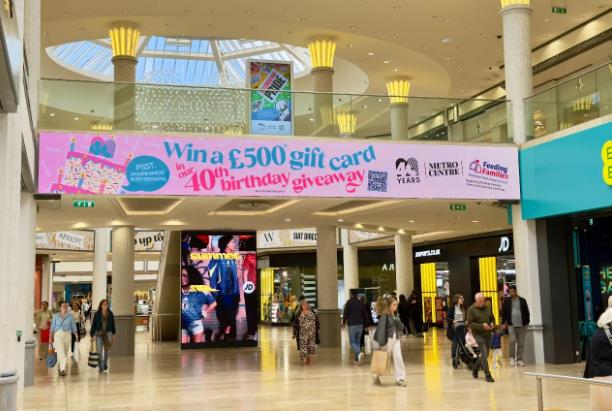
The Metrocentre project provides a useful example of how LED technology can adapt to an existing building.
For a shopping centre that opened around 40 years ago, adding six new LED screens is more than a visual upgrade. It demonstrates how advances in LED display hardware can help older commercial spaces accommodate new digital applications.
Lightweight LED panels are therefore not only about easier handling.
Their reduced weight and slimmer form factor can influence where digital displays can be installed and how existing buildings can be upgraded.
As retail and public venues continue to invest in digital signage, this flexibility could become an increasingly important factor in future LED display projects.

