


Blue LED strips, full-color LED screens and energy-saving LED lamps line streets, electronic devices and every household today. However, the widespread popularity of LED lighting and display technology did not arrive without decades of grueling research.
Red and green light-emitting diodes were successfully developed long before blue LEDs, yet they could not produce bright white light or complete full-color images on their own. The birth of blue LED completed the RGB three primary color system of light, widely regarded as humanity’s second lighting revolution after Edison’s incandescent lamp, and the origin of the fourth generation of human lighting.
This article sorts out the complete timeline of LED development, analyzes the huge technical barriers that blocked blue LED research for nearly 30 years, and illustrates the far-reaching historical value of this landmark semiconductor innovation.
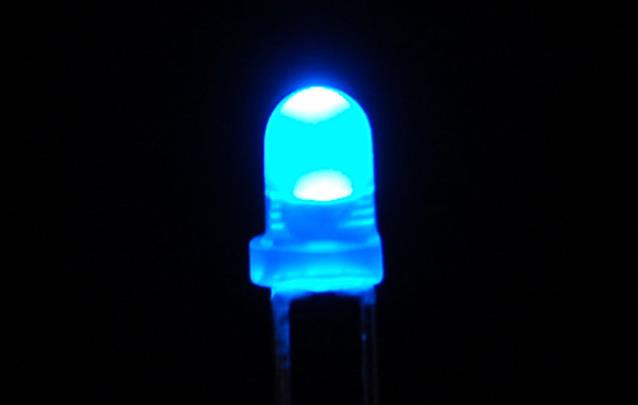
All white lighting and full-color display technology rely on the three primary colors of light: red, green and blue (RGB). Before blue LEDs became available, only monochrome red and green LEDs existed, creating two critical limitations:
Only after the invention of blue LEDs could manufacturers assemble red, green and blue LED beads to produce adjustable white light and lifelike full-color display screens.
In 1962, Nick Holonyak Jr. from General Electric invented the world’s first practical visible light-emitting diode — the red LED, marking the official birth of usable LED light sources.
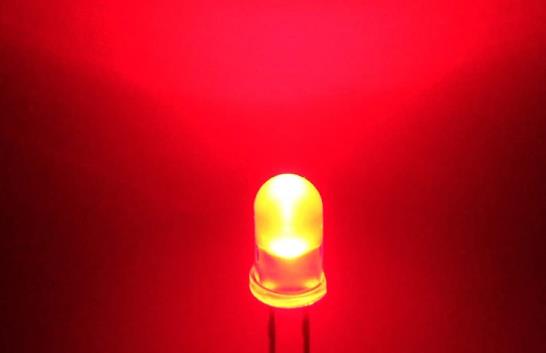
Red LED
Shortly after the red LED, scientists expanded research on different light wavelengths and successfully created green LEDs. At this stage, the semiconductor industry expected full-color LED technology to emerge quickly, but researchers hit an insurmountable technical bottleneck: blue light.
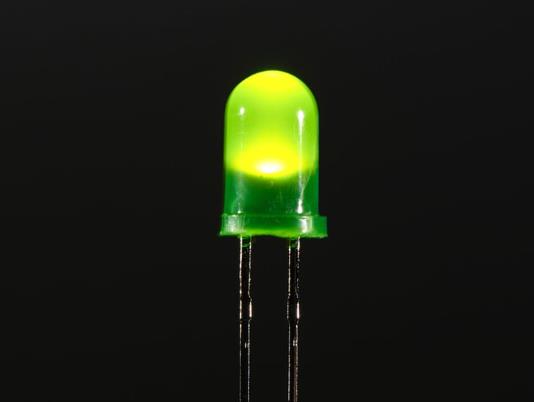
Green LED
Blue LED research was stalled by severe material and process obstacles for almost 30 years. The core research timeline of the key academic team is as follows:
This dim lab sample theoretically proved GaN could emit blue light, yet it lacked sufficient brightness and could not be mass-produced for commercial use.
In 1993, Shuji Nakamura, a Japanese-American researcher at Nichia Corporation, achieved a decisive technological leap. He successfully doped nitrogen into gallium nitride (GaN) and indium gallium nitride (InGaN), inventing the world’s first commercially viable high-brightness blue LED.
This breakthrough eliminated the final barrier to large-scale LED industrialization. Factories could mass-produce qualified blue LED components, laying the foundation for decorative LED strips and the global full-color display industry.
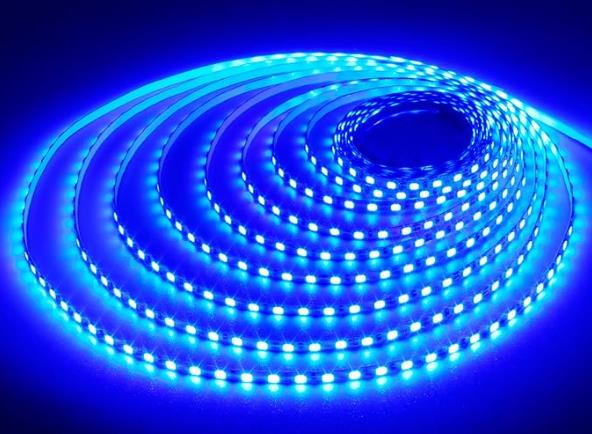
blue LED light strip
Blue LEDs took 30 extra years to realize commercialization due to three core technical obstacles related to material properties, production processes and insufficient early research:
An LED’s luminous color is determined by the bandgap width of its semiconductor material.
Gallium nitride, the core raw material of blue LEDs, has ultra-stable physical characteristics that drastically increase manufacturing difficulty: Its melting point reaches 2791 Kelvin, and crystal formation demands a decomposition pressure of 4.5 GPa. Mass production needs persistent ultra-high temperature and pressure environments, bringing tremendous equipment and cost challenges to early manufacturers.
After red and green LEDs matured, the global scientific community spent over three decades attempting to develop usable blue LEDs without stable progress. Multiple theoretical frameworks failed to solve nitride crystal growth problems, until the persistent repeated experiments of Akasaki, Amano and Nakamura finally broke the long-term technical deadlock.
Industry experts regard blue LED as the initiator of the fourth-generation lighting system, following incandescent lamps, fluorescent lamps and high-intensity discharge lamps. LED lighting powered by commercial high-brightness blue LED chips has overwhelming advantages over traditional light sources:
As this article’s title states, this technology created humanity’s second lighting revolution after Edison’s incandescent lamp, realizing global energy-saving, eco-friendly solid-state lighting and drastically lowering worldwide power consumption for illumination.
Before commercial high-brightness blue LEDs appeared, display equipment could only show single-color text or simple signal indicators. After integrating RGB three-color LED chips into one component, manufacturers developed full-color LED billboards, televisions, mobile phone screens, automotive dashboards and traffic signal panels — all mainstream visual devices people rely on today.
In 2014, the Royal Swedish Academy of Sciences jointly awarded the Nobel Prize in Physics to three scientists: Isamu Akasaki, Hiroshi Amano and Shuji Nakamura. The official award citation recognized them for inventing efficient, high-brightness blue light-emitting diodes, a technology that reshaped global lighting and electronic industries.
This top global academic prize fully confirmed the scientific and industrial value of blue LEDs, proving this breakthrough one of the most important semiconductor innovations of the late 20th century.
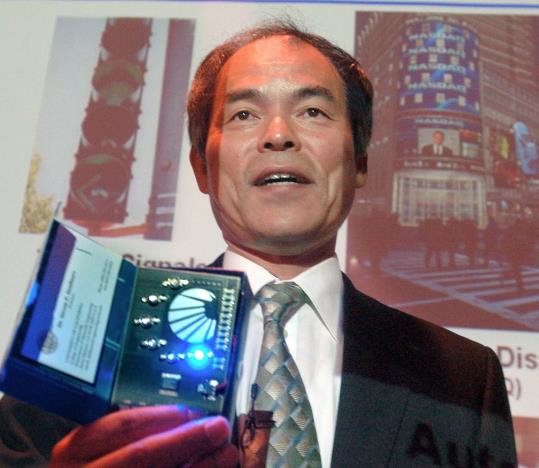
Japanese scientists won Nobel Prize for the invention of blue LED.
Products based on blue LED have penetrated nearly all modern industries:
The invention of the blue LED solved the biggest technical bottleneck in semiconductor lighting history. After decades of grueling material research and process optimization, the mass-producible high-brightness blue LED completed the RGB light primary color system, launching two massive industrial revolutions: energy-saving LED lighting and full-color digital displays.
Known as the second lighting revolution after Edison’s incandescent lamp, this breakthrough not only won the Nobel Prize in Physics, but also brought low-carbon, long-life intelligent lighting to all humanity, marking an irreplaceable milestone in global optoelectronic technology development.
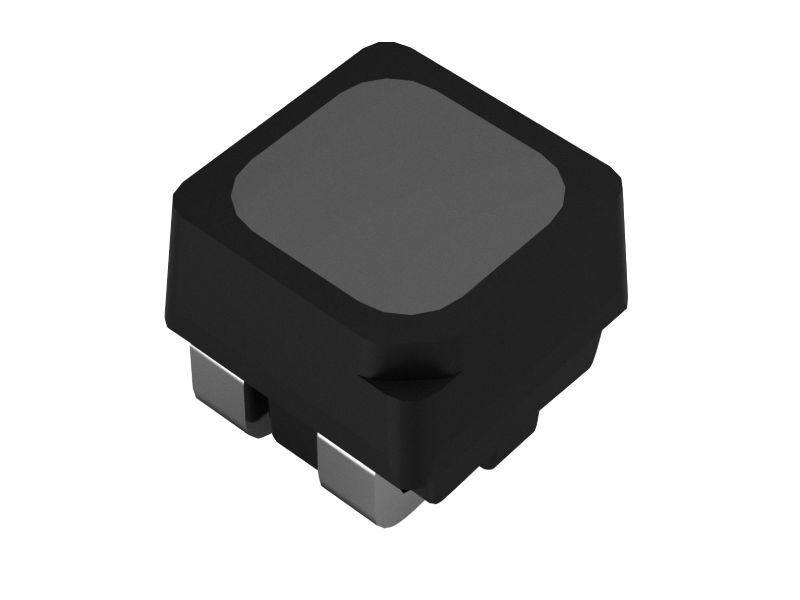
An SMD LED integrates red, green, and blue LED chips for full color display

